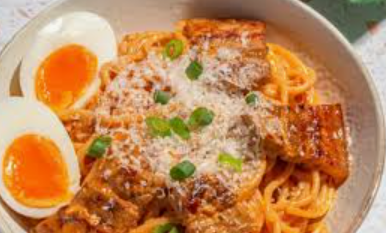
Creamy Korean Ssamjang (Rich, Balanced & Addictively Smooth)
Ssamjang is the soul of Korean BBQ. Traditionally thick, punchy, and fermented, it’s made from a blend of doenjang (soybean paste) and gochujang (chili paste), with garlic, sesame oil, and aromatics. It’s bold, salty, funky—and sometimes a little too intense if you’re not used to it.
This creamy ssamjang takes that traditional base and softens it into something rounder, silkier, and more modern without losing its Korean identity. The fermentation stays, the umami stays, the spice stays—but everything becomes smoother, gentler, and deeply luxurious. It’s perfect for pork belly, grilled chicken, roasted vegetables, rice bowls, wraps, and even sandwiches.
🛒 Ingredients (Makes about 1½ cups)
Core Base
- 4 tbsp ssamjang
- 2 tbsp doenjang
- 2 tbsp gochujang
Creamy Element (Choose One or Combine)
- ⅓ cup Korean mayo (or high-quality mayonnaise)
- OR ¼ cup Greek yogurt or crème fraîche
- OR 2 tbsp mayo + 2 tbsp yogurt (best balance)
Aromatics & Depth
- 4 cloves garlic, finely grated
- 1 tsp fresh ginger, grated
- 2 tbsp sesame oil
- 1 tbsp rice vinegar or apple cider vinegar
- 1½ tbsp honey or brown sugar
- 1 tbsp mirin or rice wine
- 1 tbsp toasted sesame seeds, lightly crushed
Optional Flavor Boosters
- 1 tbsp finely chopped green onion
- 1 tsp gochugaru (for extra heat)
- 1 tsp soy sauce (only if needed)
- 1 tsp perilla oil (if available)
🔪 Step 1: Build the Umami Foundation
In a medium bowl, combine ssamjang, doenjang, and gochujang. Stir slowly with a spatula until completely blended. This trio is the backbone of the sauce:
- Doenjang brings deep fermented funk and savoriness.
- Gochujang adds sweetness, chili heat, and color.
- Ssamjang ties it all together with garlic and seasoning.
Take a moment to smell it—earthy, fermented, bold. This is your base flavor.
🧄 Step 2: Add Aromatics the Right Way
Add grated garlic and ginger directly into the paste. Grating (not chopping) is essential—it allows the aromatics to melt seamlessly into the sauce instead of standing out harshly.
Stir gently, then drizzle in the sesame oil. Sesame oil doesn’t just add flavor—it rounds out bitterness and makes the sauce feel luxurious.
At this stage, the mixture will be thick and intense. That’s normal.
🥄 Step 3: Introduce the Creaminess
Now comes the transformation.
Add your chosen creamy element one tablespoon at a time, mixing slowly. You’ll notice the texture loosening, turning glossy and smooth. The color softens from deep brick red to a warm, creamy rust.
- Mayonnaise gives richness and silkiness.
- Yogurt or crème fraîche adds lightness and gentle tang.
- A mix of both gives the most balanced, restaurant-style result.
Taste after each addition. Stop when the sauce becomes spreadable but not runny—it should hold its shape on a spoon but slide off slowly.
🍯 Step 4: Balance Sweet, Acid & Salt
Add honey (or brown sugar), rice vinegar, and mirin. This step is crucial. Fermented pastes are powerful, and creaminess needs balance.
- Sweetness tames salt and spice.
- Acid brightens the heaviness.
- Mirin adds depth and gentle complexity.
Stir well and taste again. The sauce should hit sweet → savory → spicy → nutty in that order.
If it tastes flat, add:
- A pinch of salt or soy sauce
- A drop more sesame oil
- A touch more honey
🌶️ Step 5: Customize the Heat & Texture
If you like heat, sprinkle in gochugaru. For texture and aroma, fold in crushed sesame seeds and chopped green onions.
At this point, the ssamjang should be:
- Creamy but bold
- Smooth but complex
- Rich without being heavy
Let it rest for 10–15 minutes at room temperature. This allows flavors to marry and mellow.
🥬 How to Use Creamy Ssamjang (The Fun Part)
1. Korean BBQ Wraps
Spread a thin layer on lettuce leaves, add grilled pork belly, garlic, kimchi, and rice. The creaminess clings to the meat and cools the fat perfectly.
2. Rice Bowl Sauce
Drizzle over hot rice with grilled beef, sautéed mushrooms, a jammy egg, and cucumbers.
3. Vegetable Dip
Serve with raw carrots, cucumbers, bell peppers, or blanched green beans.
4. Sandwich Spread
Unreal on burgers, fried chicken sandwiches, or wraps.
5. Noodle Enhancer
Swirl into hot noodles with a splash of pasta water for an instant Korean-style sauce.
🧠 Pro Tips for Perfection
- Never over-blend: Whisking too aggressively makes it gummy.
- Resting is key: It tastes better after sitting.
- Adjust per use: Add more yogurt for veggies, more gochujang for meat.
- Keep it cold: Chilled ssamjang thickens and becomes extra luscious.
❄️ Storage
Store in an airtight container in the refrigerator for up to 7 days. Stir before using. The flavor actually improves on day two.
❤️ Final Thoughts
Creamy Korean ssamjang is comfort and boldness in one spoon. It respects tradition while embracing modern texture. It’s the kind of sauce that makes people ask, “What is in this?”—and then ask for more.
Once you make it, plain ssamjang will never hit the same again.