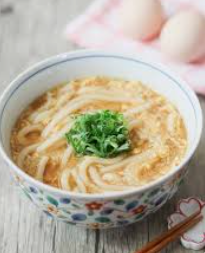
Tamago Kake Soup (Egg Drop Style)
A Silky Japanese-Inspired Comfort Soup
Tamago kake soup is a delicate, soul-warming dish that blends the simplicity of Japanese home cooking with the comforting texture of egg drop soup. Inspired by tamago kake gohan—the beloved Japanese dish of raw egg mixed into hot rice—this soup transforms the concept into a warm, savory broth where softly set eggs form tender ribbons. The result is light yet nourishing, subtle yet deeply flavorful, and perfect for breakfast, a late-night meal, or whenever your body asks for something calm and restorative.
This soup celebrates restraint. There are no heavy spices, no overpowering aromas—just a clean broth, gentle umami, and eggs treated with respect. Every spoonful feels like a quiet moment.
Ingredients (Serves 2–3)
For the Broth:
- 4 cups (1 liter) dashi (homemade or instant)
- 1 tablespoon soy sauce (light soy preferred)
- 1 teaspoon sesame oil
- ½ teaspoon salt (adjust to taste)
- ½ teaspoon sugar (optional, but traditional for balance)
- ¼ teaspoon white pepper (optional)
For the Eggs:
- 2 large eggs (very fresh)
- 1 extra egg yolk (optional, for richness)
- 1 teaspoon mirin or sake (optional)
Optional Add-Ins:
- ½ cup cooked Japanese short-grain rice
- 1 teaspoon grated ginger
- Soft tofu cubes
- Sliced shiitake mushrooms
- Wakame seaweed
For Garnish:
- Sliced green onions
- Toasted sesame seeds
- Nori strips
- A few drops of chili oil (optional)
Understanding the Heart of the Soup
The secret of tamago kake soup lies in temperature and timing. Too hot, and the eggs overcook into clumps. Too cool, and they disappear into the broth. The goal is silky, cloud-like strands that float gently, giving the soup body without heaviness.
This dish also relies heavily on dashi, the cornerstone of Japanese cooking. Made traditionally from kombu (kelp) and katsuobushi (bonito flakes), dashi brings a clean umami depth that allows the eggs to shine. If you don’t have time to make homemade dashi, a good instant version works beautifully.
Step-by-Step Preparation
1. Prepare the Broth
In a medium saucepan, pour in the dashi and bring it to a gentle simmer over medium heat. Avoid a rolling boil—dashi should never be aggressively cooked, as it can turn bitter.
Once small bubbles begin to rise, add the soy sauce, salt, sugar (if using), and sesame oil. Stir gently and taste. The broth should be lightly seasoned, almost understated. Remember: the eggs will add richness.
Lower the heat so the broth stays hot but calm.
2. Prepare the Eggs
Crack the eggs into a bowl. Add the extra yolk if you want a creamier soup. Lightly beat with chopsticks or a fork—just enough to break the whites and yolks, but not so much that it becomes frothy.
If using mirin or sake, stir it in now. This step softens the egg flavor and adds a subtle sweetness.
3. Add Optional Ingredients
If you’re adding cooked rice, tofu, mushrooms, or wakame, add them to the broth now and let them warm through for 1–2 minutes. The rice turns this soup into a more filling meal, almost like a porridge, while tofu and seaweed enhance its soothing nature.
4. Create the Egg Ribbons
This is the most important step.
Turn the heat to low. Using a spoon or chopsticks, gently swirl the broth in one direction to create a slow whirlpool. While the liquid moves, slowly drizzle the beaten egg into the center of the pot in a thin stream.
Do not stir once the egg is in. Let it cook undisturbed for 20–30 seconds. The eggs will bloom into soft, feathery strands, floating like silk.
Turn off the heat immediately.
5. Final Touches
Taste the soup one last time. Adjust salt or soy sauce if needed. Add a pinch of white pepper if you like a gentle warmth.
Ladle the soup into bowls, making sure each serving gets plenty of egg.
Serving and Garnishing
Top the soup with sliced green onions, a sprinkle of sesame seeds, and thin strips of nori. If you enjoy a bit of heat, add a few drops of chili oil—but keep it restrained.
Serve immediately while the soup is hot and the eggs are perfectly tender.
Flavor Variations
- Breakfast Style: Add rice and finish with a raw egg yolk stirred in at the table.
- Immune-Boosting: Add grated ginger and garlic to the broth.
- Creamier Version: Stir in a tablespoon of unsweetened soy milk before adding eggs.
- Protein Boost: Add shredded chicken or a few shrimp.
- Vegan Twist: Replace eggs with silken tofu and use kombu-only dashi.
Why This Soup Feels So Good
Tamago kake soup is comfort without heaviness. It hydrates, nourishes, and soothes. The eggs provide gentle protein, the broth warms from the inside out, and the simplicity makes it easy to digest.
This is the kind of soup you make when you’re tired, when you’re sick, when you’re nostalgic, or when you just want something kind.
Final Thoughts
Tamago Kake Soup (Egg Drop Style) is proof that beautiful food doesn’t need to be complicated. With just a few ingredients and careful attention, you can create a bowl that feels deeply personal and quietly luxurious.
Once you master this technique, it becomes a lifelong recipe—one you return to again and again, adjusting it to your mood, the season, or whatever is in your kitchen.