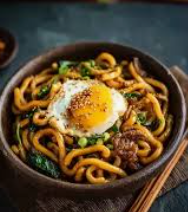
Irresistible Yaki Udon Noodles
A Japanese street-food classic that hits all the right notes: chewy noodles, umami sauce, sizzling veggies, and pure comfort.
Introduction: Why Yaki Udon Is So Addictive
Yaki Udon is one of those dishes that doesn’t scream for attention, yet once you taste it, you’re hooked. Thick, chewy udon noodles soak up a savory-sweet sauce built on soy, mirin, and aromatics. Everything is stir-fried quickly over high heat, so flavors stay bold and textures stay lively. It’s humble, fast, endlessly customizable—and dangerously easy to eat straight from the pan.
In Japan, yaki udon is a popular home-cooking staple and izakaya favorite. Unlike ramen or soba, udon noodles are fat and pillowy, giving them a luxurious mouthfeel that turns a simple stir-fry into something deeply comforting. This recipe leans classic but irresistible, with plenty of tips so you can make it your own.
Ingredients (Serves 2–3)
For the Noodles & Stir-Fry
- 2 packs fresh udon noodles (about 400–450 g total)
- 2 tablespoons neutral oil (vegetable, sunflower, or canola)
- 1 tablespoon sesame oil (for aroma, not frying)
- 2 cloves garlic, finely minced
- 1 teaspoon freshly grated ginger
- 1 small onion, thinly sliced
- 1 cup green cabbage, shredded
- 1 medium carrot, julienned
- 1/2 red bell pepper, thinly sliced
- 2 green onions, cut into 5 cm pieces
- 150–200 g protein of choice (see variations below)
For the Sauce
- 3 tablespoons soy sauce (low sodium preferred)
- 1 tablespoon oyster sauce
- 1 tablespoon mirin
- 1 teaspoon sugar (or honey)
- 1 teaspoon rice vinegar
- 2 tablespoons water or dashi
To Finish
- Toasted sesame seeds
- Extra sliced green onions
- Optional: chili oil, shichimi togarashi, or black pepper
- Optional: bonito flakes (katsuobushi)
Choosing the Right Udon
Fresh udon noodles are key. They’re thick, slightly chewy, and springy—nothing like dried pasta. If you can find vacuum-packed fresh udon, grab it. Frozen udon also works beautifully and often has the best texture. Avoid dried udon if possible; they lack the signature bounce that makes yaki udon special.
Step-by-Step Instructions
1. Prepare the Noodles
If using fresh or vacuum-packed udon, loosen them by briefly blanching in boiling water for 30–60 seconds. If frozen, cook according to package instructions (usually straight from frozen into boiling water). Drain well and rinse lightly to remove excess starch. Set aside.
This step ensures your noodles stay springy and don’t clump in the pan later.
2. Mix the Sauce
In a small bowl, combine soy sauce, oyster sauce, mirin, sugar, rice vinegar, and water or dashi. Stir until the sugar dissolves. Taste—it should be savory, slightly sweet, and deeply umami. Adjust now, because once it hits the hot pan, it moves fast.
3. Heat the Pan
Place a large wok or wide skillet over medium-high heat. Add the neutral oil and let it get hot but not smoking. Add the sesame oil right after—it perfumes the oil instantly.
4. Aromatics First
Add garlic and ginger. Stir-fry for 10–15 seconds, just until fragrant. Do not let them brown; bitterness is the enemy here.
5. Add Protein
If using chicken, beef, shrimp, or tofu, add it now. Spread it out in the pan and let it sear briefly before stirring. Cook until just done—overcooking at this stage will dry it out later.
- Chicken or beef: 2–3 minutes
- Shrimp: 1–2 minutes
- Tofu: until golden on edges
Remove protein from the pan and set aside if it’s fully cooked. This keeps it tender.
6. Vegetables Go In
Add onion, cabbage, carrot, and bell pepper. Stir-fry for 2–3 minutes, keeping the heat high. You want the veggies slightly softened but still crisp. The cabbage should wilt but keep texture.
Add the green onions last—they need almost no time.
7. Bring It All Together
Add the drained udon noodles directly into the pan. Use tongs or chopsticks to gently loosen them among the vegetables. Pour the sauce evenly over everything.
Now the magic happens.
Toss constantly for 2–3 minutes, letting the noodles soak up the sauce. You’ll hear sizzling, see gloss forming, and smell pure umami. Add the cooked protein back in and toss again until everything is coated and hot.
If the pan looks dry, add a tablespoon of water or dashi. If it’s too wet, crank the heat and keep tossing.
8. Final Touch
Turn off the heat. Sprinkle toasted sesame seeds over the top. Add bonito flakes if using—they’ll dance from the heat. Finish with chili oil or shichimi if you like a little kick.
Variations & Customizations
Protein Ideas
- Chicken thigh (juicy and forgiving)
- Thin-sliced beef (ribeye or sirloin)
- Shrimp or scallops
- Firm tofu or tempeh
- Pork belly for extra richness
Veggie Swaps
- Mushrooms (shiitake, oyster, or enoki)
- Snow peas or sugar snap peas
- Baby spinach (add at the very end)
- Zucchini or bok choy
Flavor Twists
- Add 1 teaspoon miso to the sauce for depth
- Finish with butter (yes, butter) for a Japanese-Western vibe
- Splash of sake instead of water
- Drizzle of yuzu juice for brightness
Pro Tips for Truly Irresistible Yaki Udon
- High heat = flavor. Don’t crowd the pan.
- Prep everything before you start—this dish moves fast.
- Taste constantly and adjust seasoning at the end.
- Chewy noodles + glossy sauce = success.
Serving & Storage
Serve immediately, straight from the pan, preferably in warm bowls. Yaki udon is best fresh, but leftovers keep well for up to 2 days in the fridge. Reheat in a pan with a splash of water—never the microwave if you can help it.
Final Thought
Yaki Udon is proof that comfort food doesn’t need to be complicated. It’s fast, flexible, and deeply satisfying—a dish you’ll come back to on busy nights, lazy weekends, and anytime you need something warm and grounding.