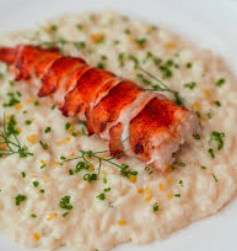
Gordon Ramsay–Style Lobster Risotto
A Luxurious, Creamy, Restaurant-Quality Masterpiece
Few dishes capture elegance quite like a perfectly executed lobster risotto. Creamy yet structured, rich yet balanced, this dish is all about precision, patience, and premium ingredients. Inspired by Gordon Ramsay’s philosophy of respecting ingredients and mastering technique, this lobster risotto delivers deep seafood flavor, silky texture, and stunning presentation.
This recipe serves 4 and takes about 1 hour from start to finish.
Ingredients
For the Lobster:
- 2 whole live lobsters (about 1½ pounds each)
- 1 tablespoon sea salt (for boiling water)
- Ice water (for shocking)
For the Lobster Stock:
- Lobster shells (from above)
- 1 small onion, roughly chopped
- 1 carrot, chopped
- 1 celery stalk, chopped
- 2 cloves garlic, smashed
- 2 tablespoons tomato paste
- ½ cup dry white wine
- 1.2 liters (about 5 cups) water
- 2 sprigs fresh thyme
- 1 bay leaf
- 6 black peppercorns
For the Risotto:
- 1½ cups Arborio rice
- 2 tablespoons olive oil
- 2 tablespoons unsalted butter (divided)
- 1 small shallot, finely minced
- 2 cloves garlic, finely minced
- ½ cup dry white wine
- 4–5 cups hot lobster stock
- ½ cup freshly grated Parmesan cheese
- 1 tablespoon mascarpone (optional but luxurious)
- 1 tablespoon fresh lemon juice
- 1 tablespoon chopped fresh chives
- Salt and freshly cracked black pepper to taste
Step 1: Cooking the Lobster Perfectly
Bring a large pot of salted water to a rolling boil. Carefully place the lobsters headfirst into the water. Cook for 6–8 minutes until bright red. Immediately transfer them into ice water to stop cooking. This ensures tender, juicy meat.
Twist off the tails and claws. Crack the shells and remove the meat carefully, keeping it whole if possible for elegant plating. Dice half the meat into bite-sized chunks for the risotto and reserve the rest for garnish. Refrigerate until needed.
Save every bit of shell — this is flavor gold.
Step 2: Making the Lobster Stock
In a large saucepan, heat a drizzle of olive oil over medium heat. Add the lobster shells and cook for 5–7 minutes, crushing them slightly to release flavor.
Add onion, carrot, celery, and garlic. Sweat for 5 minutes until fragrant. Stir in tomato paste and cook until it darkens slightly — this deepens the flavor.
Deglaze with white wine and let it reduce by half.
Add water, thyme, bay leaf, and peppercorns. Bring to a gentle simmer and cook uncovered for 30 minutes. Skim impurities occasionally.
Strain through a fine sieve, pressing to extract maximum flavor. Keep the stock hot on low heat. Hot stock is essential for proper risotto cooking.
Step 3: Building the Risotto Base
Heat olive oil and 1 tablespoon butter in a wide, heavy-bottomed pan over medium heat.
Add shallots and cook gently until translucent — about 2–3 minutes. Do not brown.
Add garlic and cook for 30 seconds.
Stir in the Arborio rice and toast for 1–2 minutes. Each grain should be coated in fat and slightly translucent around the edges. This step builds a nutty base flavor and helps control texture.
Step 4: Deglaze and Begin the Absorption Process
Pour in the white wine. Stir continuously until fully absorbed. The wine adds acidity and balance.
Now begin adding hot lobster stock one ladle at a time. Stir gently but consistently. Wait until most of the liquid is absorbed before adding more.
This gradual addition encourages the rice to release starch slowly, creating that iconic creamy texture without cream.
Continue for 18–20 minutes. The rice should be tender but still have a slight bite (al dente).
Step 5: Incorporating the Lobster
About 5 minutes before the rice is done, stir in the diced lobster meat. This warms it gently without overcooking.
Taste and adjust seasoning with salt and freshly cracked pepper.
When the rice is perfectly cooked, remove the pan from heat.
Step 6: The Crucial Final Touch – “Mantecatura”
This is where magic happens.
Stir in:
- Remaining tablespoon of butter
- Grated Parmesan
- Mascarpone (if using)
- Lemon juice
Beat the risotto vigorously for 30 seconds. This emulsifies the fats into the starch, creating an ultra-silky finish.
The risotto should slowly spread when spooned onto a plate — not stiff, not soupy. Gordon Ramsay often describes it as flowing like lava.
Fold in fresh chives for brightness.
Step 7: Plating Like a Professional
Spoon risotto into warm shallow bowls. Tap the base gently to spread evenly.
Slice the reserved lobster tail into medallions and arrange elegantly on top. Place claw meat strategically for height and drama.
Finish with:
- Extra chives
- A light drizzle of good olive oil
- Microgreens (optional)
- A small pinch of lemon zest
Serve immediately.
Risotto waits for no one.
Chef’s Tips for Perfection
1. Never Rinse the Rice
The starch is essential for creaminess.
2. Keep Stock Hot
Cold stock stops cooking and ruins texture.
3. Stir, But Don’t Over-Stir
Gentle stirring releases starch while maintaining structure.
4. Use Quality Ingredients
Fresh lobster and real Parmesan make a dramatic difference.
5. Timing Is Everything
Risotto continues cooking off heat, so stop slightly before perfect doneness.
Flavor Profile
This lobster risotto delivers:
- Deep shellfish richness from homemade stock
- Creamy, velvety texture without heavy cream
- Subtle acidity from white wine and lemon
- Sweet, tender lobster meat
- Buttery, savory depth
Every bite should taste luxurious yet balanced — never heavy.
Wine Pairing
Pair with:
- Chablis
- Sauvignon Blanc
- Champagne
- Dry Vermentino
Crisp acidity complements the richness beautifully.
Final Thoughts
A Gordon Ramsay–style lobster risotto is more than just a recipe — it’s a lesson in patience and technique. The careful layering of flavor, the respect for texture, and the disciplined stirring transform simple ingredients into something extraordinary.
When done correctly, this dish rivals fine dining restaurants and impresses even the most discerning guests. Creamy but structured, rich but refined, it’s the ultimate seafood indulgence.