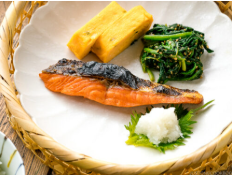
Japanese Salted Salmon (Shiozake)
Japanese Salted Salmon, known as Shiozake (塩鮭), is one of the most beloved and traditional components of a Japanese meal. Simple yet deeply flavorful, this dish highlights the beauty of minimalism in Japanese cuisine. With just salmon and salt, Shiozake delivers a perfect balance of savory richness, delicate texture, and clean taste. It is commonly served as part of a traditional breakfast alongside steamed rice, miso soup, and pickles.
Unlike heavily seasoned Western salmon dishes, Shiozake relies on proper salting technique and precise cooking to enhance the natural umami of the fish. The salt not only seasons the salmon but also firms the flesh, removes excess moisture, and helps preserve it. Traditionally, the salmon is salted and allowed to rest before being grilled until the skin turns crisp and the inside remains tender and flaky.
Ingredients (Serves 4)
- 4 salmon fillets or steaks (about 150–180 g / 5–6 oz each), skin-on
- 1–1½ teaspoons fine sea salt per fillet (about 1–1.5% of the fish’s weight)
- Optional: daikon radish (for grating and serving)
- Optional: lemon wedge
Choosing the Right Salmon
For authentic Shiozake, choose high-quality salmon with firm flesh and bright color. In Japan, sockeye salmon (benizake) is commonly used because of its rich flavor and deep red hue. However, Atlantic salmon also works well.
Important tips when selecting salmon:
- Use skin-on fillets for best texture and flavor.
- Avoid heavily farmed salmon with excessive fat.
- The flesh should look moist but not wet or slimy.
- There should be no strong fishy odor.
If possible, choose center-cut portions of equal thickness to ensure even cooking.
Step 1: Salting the Salmon
The key to excellent Shiozake lies in proper salting.
Pat each salmon fillet completely dry with paper towels. Removing surface moisture helps the salt adhere and penetrate evenly.
Sprinkle salt evenly over both sides of each fillet. Use your fingers to distribute the salt uniformly. The general guideline is about 1–1.5% of the fish’s weight in salt. For a 150 g fillet, that equals roughly 1½ teaspoons total.
Place the salted salmon on a wire rack set over a tray or plate. This allows air to circulate and prevents the fish from sitting in released moisture.
Cover loosely and refrigerate for at least 2 hours. For deeper flavor and firmer texture, you may cure the salmon for up to 24 hours.
During this time:
- The salt draws out excess moisture.
- The flesh becomes slightly firmer.
- The flavor intensifies.
If curing overnight, you may notice some liquid collecting beneath the fish — this is normal.
Step 2: Preparing for Cooking
Before cooking, remove the salmon from the refrigerator and gently pat dry again. This step ensures crisp skin and prevents steaming.
Allow the fish to sit at room temperature for about 15–20 minutes before cooking. This promotes even heat distribution.
Traditional Shiozake is grilled, but you can also broil or pan-sear.
Step 3: Grilling (Traditional Method)
In Japan, salmon is typically grilled using a fish grill or over charcoal. At home, you can use an oven broiler or grill pan.
Using an Oven Broiler:
- Preheat the broiler on high.
- Line a baking sheet with foil and lightly oil a rack.
- Place the salmon skin-side down on the rack.
- Broil for 6–8 minutes, depending on thickness.
- Flip carefully and cook for another 2–3 minutes if desired.
The skin should become lightly crisp, and the surface may develop slight browning.
Using a Grill Pan:
- Heat the pan over medium heat.
- Place salmon skin-side down.
- Cook for about 5–6 minutes without moving it.
- Flip and cook another 3–4 minutes.
Avoid overcooking — the interior should remain moist and flaky.
Step 4: Checking Doneness
Perfect Shiozake should have:
- Crisp, slightly blistered skin
- Opaque flesh that flakes easily with chopsticks
- Moist interior without being raw
The internal temperature should reach about 50–55°C (122–130°F) for medium. Japanese-style salmon is often cooked slightly more than Western medium, resulting in a firmer texture.
Serving Shiozake
Shiozake is traditionally served as part of a Japanese breakfast set (asa gohan):
- Steamed white rice
- Miso soup
- Pickled vegetables (tsukemono)
- Grated daikon radish
To serve authentically:
Grate fresh daikon radish and lightly squeeze out excess liquid. Place a small mound beside the salmon. The refreshing sharpness of daikon balances the richness of the fish.
A small squeeze of lemon is optional but not traditional in classic Japanese service.
Storage and Preservation
One of the advantages of Shiozake is its ability to keep well.
- Refrigerate salted, uncooked salmon for up to 48 hours.
- Cooked salmon keeps for 2–3 days in the refrigerator.
- You can freeze salted raw fillets individually wrapped for up to 1 month.
Many Japanese households prepare multiple salted fillets at once and freeze them for quick meals.
Variations
While classic Shiozake uses only salt, slight variations exist:
1. Dry-Cured Shiozake
Cure with salt for 24–48 hours for firmer, more concentrated flavor.
2. Sake-Washed Salmon
Lightly rinse salmon with sake before salting to reduce odor and enhance flavor.
3. Yuzu-Infused
Add a small amount of grated yuzu zest to the salt for subtle citrus aroma.
Nutritional Benefits
Shiozake is:
- High in protein
- Rich in omega-3 fatty acids
- Low in carbohydrates
- Naturally gluten-free
Because it uses minimal ingredients, it is a clean and wholesome preparation. The salting process also reduces surface bacteria, historically helping preservation before refrigeration.
Cultural Significance
Salted salmon has long been a staple in Japanese households. Before modern refrigeration, salting fish was essential for preservation. Coastal regions would salt salmon heavily and transport it inland.
Shiozake became a symbol of comfort food — simple, reliable, and nourishing. It is frequently included in bento boxes and traditional set meals.
The restrained seasoning reflects the Japanese culinary principle of enhancing natural flavor rather than masking it.
Common Mistakes to Avoid
- Over-salting: Measure carefully. Too much salt overwhelms the delicate fish.
- Skipping the resting time: The curing period is essential for authentic texture.
- Cooking straight from the fridge: Let the fish temper slightly first.
- Overcooking: Salmon dries quickly; monitor closely.
Final Thoughts
Japanese Salted Salmon (Shiozake) proves that simplicity can be extraordinary. With just salmon and salt, this dish captures the essence of Japanese cuisine — balance, respect for ingredients, and thoughtful preparation.
Whether served as part of a traditional breakfast, added to a bento box, or enjoyed with rice for dinner, Shiozake is a timeless classic. Its crisp skin, savory depth, and tender flakes offer comfort in every bite.