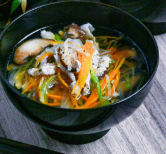
Here is a detailed, approximately 1000-word recipe for Sawaniwan Soup, a comforting Thai-inspired vegetable and tofu soup known for its light broth, delicate spices, and nourishing ingredients.
Sawaniwan Soup – A Light and Aromatic Thai Vegetable & Tofu Soup
Sawaniwan Soup is a fragrant, soothing Thai-style soup that combines fresh vegetables, tofu, herbs, and gentle spices in a clear, flavorful broth. It is often enjoyed as a light starter or a comforting main dish, especially when you want something nourishing yet not heavy.
The beauty of this soup lies in its balance. Thai cuisine is famous for combining sweet, salty, sour, and savory elements in harmony. Sawaniwan Soup follows this philosophy with a delicate broth infused with garlic, ginger, and lemongrass, enriched by tofu and colorful vegetables.
It is naturally light, can be made vegetarian or vegan, and is easily adaptable to your preferences.
Ingredients (Serves 4)
For the Broth:
- 6 cups vegetable broth (or light chicken broth)
- 1 stalk lemongrass, bruised and cut into large pieces
- 2 cloves garlic, minced
- 1 tablespoon fresh ginger, thinly sliced
- 1 tablespoon soy sauce or tamari
- 1 teaspoon sesame oil
- 1 teaspoon sugar (or monk fruit for low-carb option)
- 1 tablespoon lime juice (adjust to taste)
For the Soup:
- 200 g firm tofu, cut into small cubes
- 1 medium carrot, julienned
- 1 cup napa cabbage, thinly sliced
- ½ cup mushrooms (shiitake or button), sliced
- ½ red bell pepper, thinly sliced
- 2 green onions, sliced
- Fresh cilantro for garnish
- Optional: a pinch of white pepper or chili flakes
Step 1: Preparing the Aromatic Base
The foundation of Sawaniwan Soup is its aromatic broth.
In a large pot, heat the sesame oil over medium heat. Add the minced garlic and sliced ginger. Sauté gently for about 1–2 minutes until fragrant but not browned.
Bruise the lemongrass stalk with the back of a knife to release its oils, then add it to the pot. This step enhances the citrus aroma that defines many Thai soups.
Pour in the vegetable broth and bring to a gentle simmer. Allow the broth to cook for 10–15 minutes so the aromatics fully infuse the liquid.
Step 2: Preparing the Tofu
While the broth simmers, prepare the tofu.
If using firm tofu, press it gently between paper towels for 10–15 minutes to remove excess moisture. This helps it hold its shape and absorb flavor better.
Cut the tofu into bite-sized cubes. For added texture, you may lightly pan-sear the tofu in a separate skillet with a small amount of oil until lightly golden on the edges. This step is optional but adds depth.
Step 3: Adding Vegetables
Once the broth has developed flavor, remove the lemongrass pieces using tongs.
Add the carrots and mushrooms first, as they require slightly longer cooking time. Simmer for about 3–4 minutes.
Next, add the napa cabbage and red bell pepper. These cook quickly and should remain slightly tender-crisp for best texture.
Step 4: Incorporating the Tofu
Gently add the tofu cubes into the soup. Stir carefully to avoid breaking them.
Allow everything to simmer for another 3–5 minutes. The tofu should warm through and absorb the aromatic broth.
Step 5: Balancing the Flavors
Now it’s time to adjust the seasoning.
Add soy sauce, sugar, and lime juice. Taste and adjust:
- If too salty, add a bit of water.
- If too sour, add a small pinch of sugar.
- If lacking brightness, add a few extra drops of lime juice.
The goal is a light, clean broth with subtle citrus and savory notes.
Sprinkle in a pinch of white pepper or chili flakes if you prefer gentle heat.
Step 6: Final Touches
Turn off the heat and add sliced green onions.
Ladle the soup into bowls and garnish with fresh cilantro.
Serve immediately while hot.
Texture and Flavor Profile
A well-prepared Sawaniwan Soup should be:
- Light and aromatic
- Slightly savory with a hint of citrus
- Fresh and vibrant
- Balanced between soft tofu and crisp vegetables
The lemongrass provides brightness without overpowering, while ginger and garlic add warmth.
Optional Additions
You can customize the soup easily:
- Add rice noodles for a more filling meal.
- Include baby corn or snow peas.
- Add shrimp or thinly sliced chicken for a protein boost.
- Stir in a spoonful of coconut milk for a creamier variation.
Nutritional Benefits
This soup is:
- Low in calories
- High in plant-based protein (from tofu)
- Rich in vitamins from fresh vegetables
- Naturally dairy-free
- Easily gluten-free (if using tamari)
It is hydrating and gentle on digestion, making it ideal when you want something soothing.
Storage and Reheating
Sawaniwan Soup stores well in the refrigerator for up to 3 days.
When reheating:
- Warm gently over medium-low heat.
- Avoid boiling vigorously to preserve tofu texture.
- Add fresh herbs after reheating for best flavor.
If adding noodles, store them separately to prevent sogginess.
Tips for the Best Results
- Use fresh lemongrass whenever possible.
- Do not overcook the vegetables; they should retain color and slight crunch.
- Balance flavors gradually—Thai-style soups rely on harmony.
- Use high-quality broth for a cleaner taste.
Serving Suggestions
Serve Sawaniwan Soup as:
- A light appetizer before a Thai-inspired meal
- A healthy lunch with steamed jasmine rice
- A comforting dinner paired with spring rolls
- A nourishing meal when feeling under the weather
Cultural Inspiration
While Sawaniwan Soup is not as internationally famous as Tom Yum or Tom Kha, it represents the lighter side of Thai soups. It emphasizes clarity, freshness, and subtle spice rather than intense heat.
Thai cooking often centers around fresh herbs and balanced seasoning. This soup embodies that philosophy with its gentle layers of flavor.
Final Thoughts
Sawaniwan Soup is proof that simple ingredients can create something deeply satisfying. With its fragrant broth, tender tofu, and colorful vegetables, it offers warmth without heaviness.
Whether you prepare it as a light starter or a wholesome main course, this soup delivers comfort, nutrition, and elegance in every spoonful.