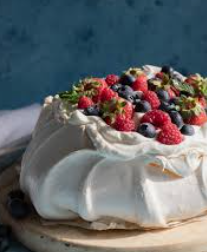
Classic Vanilla Pavlova
Light as air, crisp on the outside, marshmallow-soft on the inside, and crowned with clouds of cream and fresh fruit, the Classic Vanilla Pavlova is one of the most elegant desserts you can make. Named after the legendary Russian ballerina Anna Pavlova, this dessert was created in her honor during her tours of Australia and New Zealand in the 1920s. To this day, both countries proudly claim it as their own.
Regardless of its origin, pavlova remains a timeless centerpiece dessert—graceful, delicate, and surprisingly simple when you understand the technique. This 1000-word recipe will guide you step by step to achieve a perfectly crisp shell and pillowy center every time.
Ingredients
For the Meringue Base
- 4 large egg whites (room temperature)
- 1 cup (200g) superfine sugar
- 1 teaspoon cornstarch
- 1 teaspoon white vinegar or lemon juice
- 1 teaspoon pure vanilla extract
- Pinch of salt
For the Topping
- 1 cup (240ml) heavy whipping cream, cold
- 2 tablespoons powdered sugar
- ½ teaspoon vanilla extract
- Fresh fruit (strawberries, kiwi, raspberries, passion fruit, blueberries, or mango)
Step 1: Preparation Is Key
Preheat your oven to 250°F (120°C). Line a baking sheet with parchment paper. Draw a 7–8 inch circle on the parchment as a guide, then flip the paper over so the pencil marks don’t touch the meringue.
Ensure your mixing bowl and beaters are completely clean and grease-free. Even a trace of fat can prevent egg whites from whipping properly. If necessary, wipe everything down with a little vinegar and let it dry.
Separate the eggs carefully, ensuring no yolk gets into the whites. Room temperature egg whites whip more efficiently and create better volume.
Step 2: Whipping the Perfect Meringue
Using a stand mixer or electric hand mixer, beat the egg whites with a pinch of salt on medium speed until soft peaks form. Soft peaks will gently fold over when you lift the beaters.
Gradually add the sugar, one tablespoon at a time, beating well after each addition. This slow incorporation is crucial. Adding sugar too quickly can deflate the foam or create a grainy texture.
Increase the speed slightly and continue beating until stiff, glossy peaks form. When you rub a small amount between your fingers, it should feel smooth—not gritty. If you still feel sugar crystals, continue mixing.
Sprinkle in the cornstarch, then add vinegar and vanilla extract. Gently fold or briefly mix until just incorporated. The cornstarch helps create a soft interior, while the vinegar stabilizes the meringue and contributes to its marshmallow center.
Step 3: Shaping the Pavlova
Spoon the meringue mixture onto the prepared parchment paper inside the drawn circle. Use the back of a spoon or spatula to gently spread it outward and upward, creating a slight indentation in the center. This dip will later hold the whipped cream and fruit.
For a rustic look, create decorative swirls and peaks along the sides. These ridges crisp beautifully in the oven and give the pavlova its signature dramatic appearance.
Step 4: Slow Baking for the Perfect Texture
Place the pavlova in the preheated oven and immediately reduce the temperature to 225°F (110°C). Bake for 75–90 minutes. The exterior should feel dry and crisp to the touch and appear pale cream in color—not browned.
Once baking time is complete, turn off the oven and leave the pavlova inside with the door slightly ajar for at least one hour, or until completely cooled. This gradual cooling prevents cracks caused by sudden temperature changes.
Cracks may still form naturally, and that’s perfectly fine—pavlova is meant to look organic and delicate.
Step 5: Preparing the Topping
Just before serving, whip the cold heavy cream with powdered sugar and vanilla extract until soft peaks form. Be careful not to overwhip; you want it smooth and billowy, not stiff or grainy.
Wash and prepare your fruit. Slice strawberries and kiwi, scoop out passion fruit pulp, or arrange berries whole for a natural look.
Step 6: Assembly
Carefully transfer the cooled pavlova to a serving platter. Gently spoon the whipped cream into the center indentation, spreading lightly toward the edges.
Top generously with fresh fruit. Arrange it casually or in an artistic pattern. The contrast between bright fruit and snowy white meringue is visually stunning.
Serve immediately after topping to maintain the crisp shell.
Texture and Flavor
A properly made Classic Vanilla Pavlova offers a magical contrast:
- Outer shell: Crisp and delicate, almost like a meringue cookie.
- Interior: Soft, airy, marshmallow-like center.
- Topping: Silky whipped cream and juicy, slightly tart fruit.
The sweetness of the meringue balances beautifully with tangy berries or tropical passion fruit.
Tips for Success
- Use superfine sugar for easier dissolution. If unavailable, pulse regular sugar briefly in a food processor.
- Avoid humidity. Pavlova absorbs moisture easily, so choose a dry day if possible.
- Be patient with sugar incorporation. Smooth meringue ensures stability.
- Do not open the oven door during baking. Sudden drafts may cause collapse.
- Assemble just before serving. Moist toppings soften the shell over time.
Flavor Variations
While classic vanilla is timeless, you can experiment:
- Add lemon zest for brightness.
- Swirl in a teaspoon of espresso powder.
- Fold in finely chopped pistachios.
- Drizzle with chocolate sauce for a decadent twist.
Storage
- Untopped pavlova: Store in an airtight container at room temperature for up to 2 days.
- Topped pavlova: Best eaten within a few hours. Refrigeration softens the shell but remains delicious.
Why This Dessert Endures
The beauty of pavlova lies in its simplicity. With just egg whites and sugar, you create something elegant enough for holidays, birthdays, and celebrations. It feels light after a heavy meal yet indulgent enough to impress guests.
Its airy structure mirrors the grace of a ballerina, while its bright fruit topping makes it adaptable to every season. In summer, it highlights berries and stone fruit; in winter, citrus and pomegranate shine beautifully.
Mastering Classic Vanilla Pavlova is a rewarding baking achievement. Once you understand the method—slow sugar incorporation, low-and-slow baking, and gentle cooling—you’ll find it surprisingly reliable.
Delicate, dramatic, and irresistibly delicious, this dessert proves that sometimes the simplest ingredients create the most unforgettable results.