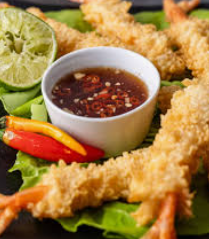
Stir-Fried Shrimp and Bitter Melon with Traditional Vietnamese Nước Chấm
Stir-Fried Shrimp and Bitter Melon is a vibrant Southeast Asian dish that beautifully balances bold flavors, contrasting textures, and nourishing ingredients. Bitter melon, known for its sharp, earthy bitterness, pairs surprisingly well with sweet, succulent shrimp. When combined with garlic, aromatics, and finished with a drizzle of traditional Vietnamese dipping sauce—Nước chấm—the result is a dish that is refreshing, savory, and deeply satisfying.
This recipe draws inspiration from Vietnamese home cooking, where bitter melon (often called khổ qua) is commonly used in soups and stir-fries. The addition of Nước chấm transforms the dish, adding a punch of salty, sweet, tangy, and spicy flavors that elevate every bite.
🌿 Ingredients
For the Stir-Fry:
- 500 g (1 lb) large shrimp, peeled and deveined
- 2 medium bitter melons
- 3 cloves garlic, finely minced
- 1 small shallot, thinly sliced
- 1 tablespoon fish sauce
- 1 teaspoon oyster sauce
- ½ teaspoon sugar
- ¼ teaspoon ground black pepper
- 2 tablespoons neutral oil (vegetable or peanut oil)
- 1 small red chili, thinly sliced (optional)
- 2 tablespoons chopped green onions
- Fresh cilantro for garnish
For Traditional Nước Chấm (Vietnamese Dipping Sauce):
- 3 tablespoons fish sauce
- 3 tablespoons warm water
- 2 tablespoons fresh lime juice
- 1½ tablespoons sugar
- 1 clove garlic, finely minced
- 1 small red chili, finely chopped
🥒 Preparing the Bitter Melon
Bitter melon has a distinctive flavor that can be intense if not prepared properly. To reduce its bitterness while preserving its character:
- Slice the bitter melon lengthwise.
- Use a spoon to remove the seeds and white pith.
- Cut into thin half-moon slices.
- Place slices in a bowl and sprinkle with 1 teaspoon salt.
- Let sit for 15–20 minutes to draw out bitterness.
- Rinse thoroughly under cold water and pat dry.
This process softens the bitterness without removing it entirely. The slight bitterness is essential—it contrasts beautifully with the sweetness of shrimp and the tangy dipping sauce.
🦐 Preparing the Shrimp
Choose fresh, firm shrimp. Pat them dry to ensure proper searing. Season lightly with:
- A pinch of salt
- Black pepper
- ½ teaspoon fish sauce
Let marinate for about 10 minutes while you prepare the sauce.
🌶️ Making Traditional Nước Chấm
In a small bowl, dissolve sugar in warm water first. Stir until completely dissolved.
Add fish sauce and fresh lime juice. Mix well.
Stir in minced garlic and chopped chili. Let the sauce sit for at least 10 minutes before serving. This allows flavors to meld.
Taste and adjust:
- Add more lime if too salty.
- Add sugar if too sour.
- Add more fish sauce if lacking depth.
The ideal Nước chấm flavor is a harmonious balance of:
- Salty (fish sauce)
- Sweet (sugar)
- Sour (lime)
- Spicy (chili)
- Aromatic (garlic)
Set aside.
🔥 Cooking the Stir-Fry
A wok works best for this dish, but a large skillet will also work.
Step 1: Heat the Oil
Heat 1 tablespoon oil over medium-high heat. Add shrimp in a single layer. Cook for about 1–2 minutes per side until pink and just cooked through. Remove immediately to avoid overcooking. Set aside.
Step 2: Stir-Fry Aromatics
Add remaining oil to the pan. Add garlic and shallots. Stir quickly for about 30 seconds until fragrant—be careful not to burn them.
Step 3: Cook the Bitter Melon
Add the prepared bitter melon slices. Stir-fry over medium-high heat for about 3–4 minutes. The goal is tender but slightly crisp texture.
Season with:
- 1 tablespoon fish sauce
- 1 teaspoon oyster sauce
- ½ teaspoon sugar
Stir well to coat evenly.
Step 4: Combine
Return shrimp to the pan. Toss gently for another 1–2 minutes so flavors combine. Avoid overcooking shrimp.
Add sliced red chili if using.
Turn off heat and sprinkle chopped green onions over the top.
🍽️ Plating and Serving
Transfer to a serving plate. Garnish with fresh cilantro.
Serve hot with:
- Steamed jasmine rice
- A small bowl of Nước chấm on the side
To eat traditionally, dip shrimp into the Nước chấm before each bite. Alternatively, drizzle a spoonful of sauce over the rice and stir-fry for extra flavor.
🌟 Flavor Profile
This dish delivers a sophisticated balance:
- Shrimp: Sweet, juicy, tender
- Bitter melon: Earthy, slightly sharp
- Garlic & shallot: Aromatic depth
- Fish sauce: Umami richness
- Nước chấm: Bright, tangy, sweet-spicy finish
The bitterness is not overwhelming—it becomes refreshing and addictive when paired with the dipping sauce.
💡 Cooking Tips for Success
- Do not overcook shrimp – They cook quickly and become rubbery if left too long.
- High heat is key – Stir-frying requires quick cooking.
- Prep everything first – Once cooking starts, it moves fast.
- Adjust bitterness to preference – Salt-soaking step can be extended slightly if needed.
- Balance the sauce carefully – Nước chấm should never taste dominated by one element.
🌱 Nutritional Benefits
Bitter melon is rich in:
- Vitamin C
- Antioxidants
- Fiber
- Compounds traditionally associated with blood sugar regulation
Shrimp provides:
- Lean protein
- Selenium
- Vitamin B12
- Omega-3 fatty acids
This makes the dish both nutritious and flavorful.
🔄 Variations
With Egg
Add scrambled egg toward the end for added richness.
With Pork
Thinly sliced pork belly can replace shrimp for a heartier version.
Spicier Version
Add bird’s eye chilies directly into the stir-fry.
Healthier Option
Reduce oil and steam bitter melon lightly before stir-frying.
🧊 Storage & Reheating
Store leftovers in an airtight container in the refrigerator for up to 2 days.
Reheat quickly in a hot pan for 2–3 minutes. Avoid microwaving too long as shrimp may toughen.
Nước chấm can be refrigerated for up to 5 days. Stir before serving.
🌏 Cultural Context
In Vietnamese cuisine, bitter melon is often associated with cleansing and balance. It is commonly served in home-cooked meals rather than restaurant dishes, symbolizing family comfort food.
The dipping sauce, Nước chấm, is a cornerstone of Vietnamese cooking. It appears alongside grilled meats, spring rolls, rice dishes, and seafood. Its versatility makes it one of the most essential condiments in the cuisine.
❤️ Final Thoughts
Stir-Fried Shrimp and Bitter Melon with Traditional Nước chấm is a beautiful example of balance in Southeast Asian cooking. The slight bitterness of the melon contrasts with sweet shrimp and bright, bold dipping sauce, creating layers of flavor in every bite.
This dish is ideal for:
- A light yet satisfying dinner
- A unique dish for guests
- Exploring authentic Vietnamese flavors at home
Once you master the balance of bitterness and brightness, you may find yourself craving this refreshing stir-fry again and again.