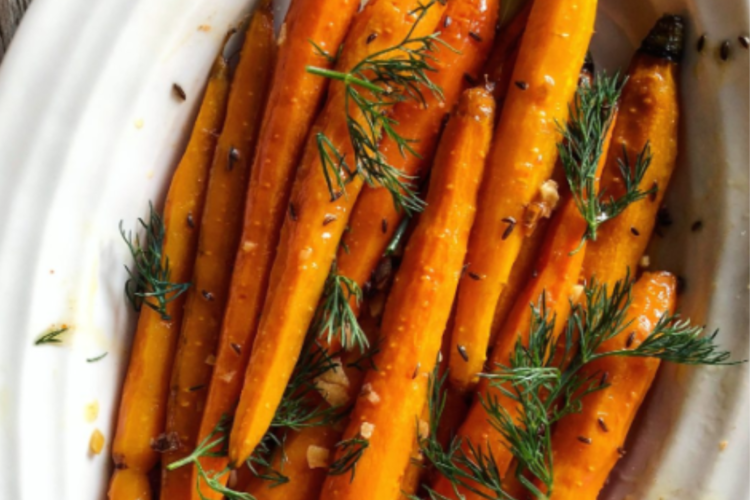
Tunisian Carrot Spread (Slata Jazar) – A Bold, Spicy North African Classic
Tunisian Carrot Spread, known in Tunisia as Slata Jazar, is a vibrant, smoky, and gently spiced dish that beautifully represents the flavors of Tunisia. This simple yet deeply flavorful spread combines tender carrots, fragrant garlic, warm spices, olive oil, and the unmistakable kick of harissa. It is served as a salad, dip, or appetizer and is commonly enjoyed with crusty bread as part of a traditional Tunisian mezze-style table.
Naturally vegan, gluten-free, and packed with nutrients, this carrot spread is both healthy and satisfying. It can be rustic and chunky or mashed into a silky dip, depending on your preference. Below you’ll find a detailed, step-by-step guide to creating an authentic Tunisian carrot spread at home, along with tips, variations, and serving ideas.
Ingredients (Serves 4–6)
- 1 kg (2.2 lbs) carrots, peeled and cut into thick rounds
- 3–4 garlic cloves, minced
- 3 tablespoons extra virgin olive oil (plus more for serving)
- 1 teaspoon ground cumin
- 1 teaspoon ground coriander
- ½ teaspoon caraway seeds, lightly crushed
- 1–2 teaspoons harissa (adjust to taste)
- Juice of ½ lemon (or to taste)
- Salt, to taste
- Freshly ground black pepper
- 2 tablespoons chopped fresh parsley
- Optional: pinch of smoked paprika
- Optional garnish: olives, extra drizzle of olive oil
Step 1: Prepare and Cook the Carrots
Start by peeling and cutting the carrots into evenly sized thick slices. Keeping the pieces uniform ensures even cooking.
Place the carrots in a large pot and cover with salted water. Bring to a boil over medium-high heat, then reduce to a gentle simmer. Cook for about 15–20 minutes, or until the carrots are fork-tender but not mushy.
You want them soft enough to mash, yet firm enough to maintain texture. Overcooked carrots can make the spread watery and dull in flavor.
Once cooked, drain thoroughly and allow them to steam-dry for a few minutes. Excess water will dilute the spices and oil later, so proper draining is important.
Step 2: Prepare the Spice Base
While the carrots cook, warm 2 tablespoons of olive oil in a small pan over low heat. Add the minced garlic and sauté gently for 1–2 minutes until fragrant. Do not let it brown — lightly golden and aromatic is perfect.
Add the cumin, coriander, and crushed caraway seeds. Stir for 30 seconds to bloom the spices. This step releases essential oils and deepens their flavor.
Turn off the heat and stir in the harissa. Mixing harissa with warm oil helps distribute its chili and garlic flavors evenly throughout the dish.
Step 3: Mash and Combine
Transfer the drained carrots to a large mixing bowl. Using a fork or potato masher, mash them to your desired texture. Traditionally, Tunisian carrot spread is somewhat rustic and textured rather than completely smooth.
If you prefer a smoother dip-like consistency, you may use a food processor and pulse briefly — but avoid over-blending into a purée.
Pour the warm spice and garlic oil mixture over the mashed carrots. Add lemon juice, salt, pepper, and an additional tablespoon of olive oil.
Mix thoroughly until everything is well combined.
Taste and adjust:
- More lemon for brightness
- More harissa for heat
- More salt for balance
The flavors should be bold but harmonious.
Step 4: Finish with Fresh Herbs
Fold in the freshly chopped parsley. This adds freshness and color that contrast beautifully with the earthy spices.
Transfer the carrot spread to a shallow serving dish. Use the back of a spoon to create swirls or ridges on the surface — this traditional presentation allows olive oil to pool slightly on top.
Drizzle generously with high-quality olive oil and garnish with olives if desired.
Flavor Profile
This Tunisian carrot spread offers:
- Natural sweetness from the carrots
- Warm earthiness from cumin and coriander
- Subtle licorice notes from caraway
- Gentle heat and depth from harissa
- Bright acidity from lemon
- Rich smoothness from olive oil
The result is complex yet comforting — a perfect balance of spice, sweetness, and freshness.
Serving Suggestions
In Tunisia, this dish is typically served at room temperature as part of a larger spread of salads and appetizers. Here are several ways to enjoy it:
- With crusty bread or warm flatbread
- As a dip for pita or vegetable sticks
- Alongside grilled fish or chicken
- Spread inside sandwiches or wraps
- As part of a mezze platter with olives, hummus, and salads
- Topped with a soft-boiled egg for extra richness
It pairs especially well with grilled meats and seafood because the lemon and spice cut through richness beautifully.
Make-Ahead & Storage
This carrot spread actually tastes better after resting for a few hours, allowing the spices to meld.
- Store in an airtight container in the refrigerator for up to 4 days.
- Bring to room temperature before serving for best flavor.
- Stir and refresh with a small drizzle of olive oil before presenting.
Freezing is not recommended, as the texture may become watery upon thawing.
Variations
1. Smoky Version
Roast the carrots instead of boiling them. Toss with olive oil and roast at 200°C (400°F) for 25–30 minutes until tender and lightly caramelized. This adds a deeper, smoky sweetness.
2. Extra Spicy
Increase the harissa or add a pinch of cayenne pepper.
3. Creamier Version
Blend in a spoonful of Greek yogurt or tahini for a richer, creamier dip.
4. Whole Spice Infusion
Instead of ground spices, lightly toast whole cumin and coriander seeds and grind them fresh for a more aromatic result.
5. Citrus Twist
Add a little orange zest for subtle complexity.
Nutritional Benefits
Carrots are rich in beta-carotene, fiber, and antioxidants. Olive oil provides heart-healthy monounsaturated fats, while garlic offers immune-supporting properties.
This spread is:
- Vegan
- Gluten-free
- Dairy-free
- High in fiber
- Naturally low in calories
It’s a nutritious appetizer that doesn’t compromise on flavor.
Cultural Background
In Tunisian cuisine, simple vegetable salads are elevated through spice and olive oil rather than heavy sauces. Carrots are widely available and affordable, making this dish both practical and celebratory.
Harissa, Tunisia’s iconic chili paste, plays a central role. Each family may adjust spice levels according to preference, and some households add vinegar instead of lemon.
Slata Jazar often appears at gatherings, Ramadan iftar tables, and family meals — a reminder that even humble ingredients can become extraordinary with care and seasoning.
Tips for Perfect Tunisian Carrot Spread
- Always drain carrots thoroughly.
- Bloom spices in warm oil for deeper flavor.
- Taste and adjust seasoning gradually.
- Use good-quality olive oil — it truly makes a difference.
- Let the dish rest before serving.
Final Thoughts
Tunisian Carrot Spread is proof that simple ingredients can create bold and unforgettable flavors. Sweet carrots transform into a spicy, fragrant, and deeply satisfying dish with just a handful of pantry spices and olive oil.
Whether served as an appetizer, snack, or side dish, this North African classic brings warmth and color to any table. Try it once, and it may quickly become one of your favorite spreads — vibrant, wholesome, and full of character.