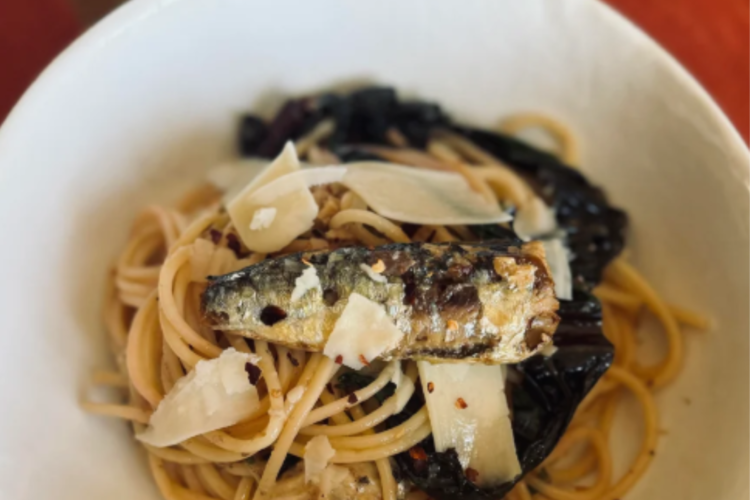
Sardine Pasta: A Simple, Flavorful Mediterranean Classic
Sardine pasta is one of those humble yet incredibly satisfying dishes that proves great food does not need to be complicated. Made with pantry staples like canned sardines, garlic, olive oil, and pasta, this dish delivers bold flavor in a short amount of time. Inspired by Mediterranean coastal cooking, sardine pasta is rich, savory, and comforting, with layers of taste created from simple ingredients.
Across coastal regions of Italy, Spain, and Portugal, sardines have long been a staple ingredient. They are affordable, nutritious, and packed with flavor. When paired with pasta, herbs, and aromatics, sardines transform into a delicious and balanced meal that feels both rustic and elegant.
This recipe combines tender pasta with a savory sardine sauce infused with garlic, tomatoes, olive oil, and herbs. The result is a dish that is slightly briny, lightly tangy, and deeply satisfying. Perfect for busy weeknights or relaxed dinners, sardine pasta is proof that a quick meal can still taste amazing.
Ingredients
For the pasta
- 400 g (14 oz) spaghetti or linguine
- 2 cans sardines in olive oil (about 200 g total)
- 3 tablespoons olive oil
- 4 cloves garlic, finely minced
- 1 small onion, finely chopped
- 1 cup cherry tomatoes, halved
- 2 tablespoons tomato paste
- ½ teaspoon red chili flakes (optional)
- ½ teaspoon black pepper
- Salt to taste
Fresh herbs and flavor boosters
- ¼ cup fresh parsley, finely chopped
- 1 tablespoon fresh lemon juice
- 1 teaspoon lemon zest
- ¼ cup grated Parmesan cheese (optional)
Optional toppings
- Toasted breadcrumbs for crunch
- Extra chili flakes
- Extra olive oil drizzle
Preparation
Step 1: Cook the pasta
Bring a large pot of salted water to a boil. Add the spaghetti or linguine and cook according to package instructions until al dente.
Before draining, reserve about one cup of the pasta cooking water. This starchy water will help bind the sauce later.
Drain the pasta and set it aside.
Step 2: Prepare the sardines
Open the cans of sardines and gently remove them. If you prefer a smoother sauce, lightly mash the sardines with a fork. If you enjoy a chunkier texture, leave them in larger pieces.
Many people like to keep the flavorful olive oil from the sardine can and add it to the sauce, as it carries a lot of seafood richness.
Step 3: Sauté the aromatics
Heat the olive oil in a large skillet over medium heat. Add the chopped onion and cook for about 4 minutes until soft and translucent.
Add the minced garlic and sauté for another minute until fragrant. Be careful not to burn the garlic, as it can become bitter.
Next, add the chili flakes if you like a bit of heat. Stir well so the oil absorbs the spice.
Step 4: Build the tomato base
Add the tomato paste and cook for about two minutes, stirring constantly. This step deepens the flavor of the paste and removes its raw taste.
Add the halved cherry tomatoes and cook for about five minutes until they soften and release their juices. The tomatoes will create a light, fresh sauce that balances the richness of the sardines.
Season with black pepper and a small pinch of salt. Remember that sardines are naturally salty, so taste before adding too much salt.
Step 5: Add the sardines
Gently add the sardines to the skillet and stir carefully so they do not break apart too much.
Let them warm in the sauce for about two minutes. Their natural oils will blend with the tomato mixture, creating a rich and savory base.
At this point the sauce should smell incredibly fragrant with hints of garlic, seafood, and herbs.
Step 6: Combine pasta and sauce
Add the cooked pasta directly into the skillet with the sardine sauce.
Toss everything together gently so the pasta is coated evenly. If the sauce feels too thick, add a few tablespoons of the reserved pasta water. The starch in the water helps the sauce cling beautifully to the pasta.
Cook for another minute while tossing so the flavors meld together.
Step 7: Add fresh flavors
Turn off the heat and add the lemon juice, lemon zest, and chopped parsley.
The lemon brightens the entire dish and balances the richness of the sardines. The parsley adds freshness and color.
Taste the pasta and adjust seasoning if needed.
Serving the Sardine Pasta
Transfer the pasta to serving bowls and finish with your favorite toppings.
You can sprinkle grated Parmesan cheese for extra richness, although some traditional Mediterranean recipes omit cheese with seafood.
For added texture, toasted breadcrumbs are a fantastic topping. They add a light crunch that contrasts beautifully with the soft pasta and sardines.
Finish with a drizzle of olive oil and a pinch of chili flakes if desired.
Serve immediately while warm.
Tips for Perfect Sardine Pasta
Use good quality sardines
High-quality sardines make a huge difference in flavor. Choose sardines packed in olive oil rather than water for the richest taste.
Cook pasta al dente
Pasta should have a slight bite to it. Overcooked pasta becomes mushy and does not hold the sauce well.
Balance the flavors
The key to a great sardine pasta is balance. The richness of the fish should be brightened with lemon, herbs, and tomatoes.
Don’t overcook the sardines
They only need a minute or two in the sauce. Overcooking can make them dry.
Variations
Mediterranean sardine pasta
Add olives, capers, and sun-dried tomatoes for a deeper Mediterranean flavor profile.
Creamy sardine pasta
Stir in a splash of cream or mascarpone cheese for a richer and smoother sauce.
Spicy sardine pasta
Add chopped fresh chili peppers or extra chili flakes for more heat.
Vegetable sardine pasta
Include spinach, zucchini, or roasted bell peppers to add color and nutrients.
Nutritional Benefits
Sardines are one of the healthiest seafood choices available. They are rich in omega-3 fatty acids, which support heart health and brain function. They are also packed with protein, calcium, vitamin D, and essential minerals.
Because sardines are small fish, they contain lower levels of mercury compared to larger fish. This makes them a safer and sustainable seafood option.
Combined with pasta, olive oil, and fresh vegetables, this dish provides a balanced meal with carbohydrates, healthy fats, and protein.
Storage and Reheating
If you have leftovers, store the pasta in an airtight container in the refrigerator for up to two days.
To reheat, warm the pasta gently in a skillet with a splash of water or olive oil to loosen the sauce. Avoid overheating, as sardines can become dry.
Fresh herbs and an extra squeeze of lemon can revive the flavors when reheating.
Final Thoughts
Sardine pasta is a beautiful example of Mediterranean cooking—simple ingredients transformed into something deeply flavorful and comforting. With its savory fish, bright lemon notes, and aromatic garlic base, this dish delivers a satisfying meal without requiring complicated techniques.
It is quick enough for a busy weekday dinner but delicious enough to serve to guests. Once you try it, sardine pasta may become one of your favorite easy meals, proving that sometimes the best dishes come from the simplest ingredients.