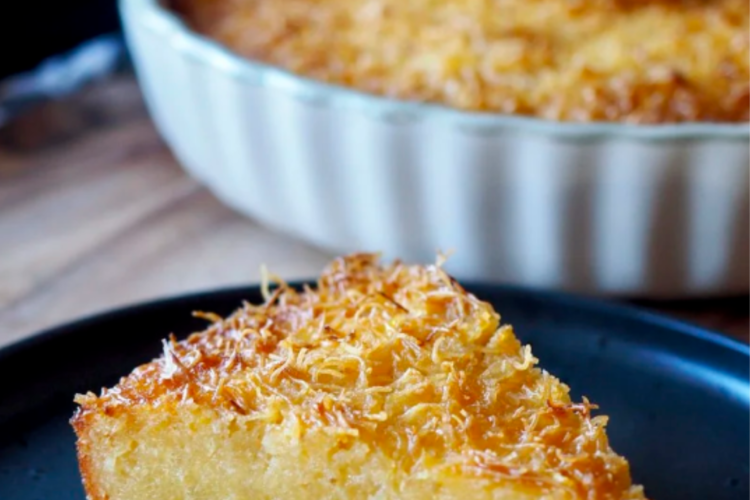
How to Make Kataifi Portokalopita (Greek Orange Syrup Cake with Shredded Phyllo)
Kataifi Portokalopita is a fragrant and irresistibly moist Greek dessert that combines the crispy texture of shredded phyllo dough with the bright citrus flavor of fresh oranges. Inspired by the traditional Greek dessert Portokalopita, this version uses delicate strands of kataifi pastry instead of layered phyllo sheets, giving the cake a unique texture that is both light and slightly crunchy. The dessert is soaked in a sweet orange syrup that seeps into every bite, creating a perfectly balanced treat that is not overly sweet but wonderfully aromatic.
This dessert is widely loved in Greece and across Mediterranean kitchens for its refreshing citrus flavor and comforting texture. It’s perfect for family gatherings, festive celebrations, or simply enjoying with a cup of coffee or tea. Although it looks impressive, Kataifi Portokalopita is surprisingly easy to prepare once you understand the steps.
Below is a detailed guide to help you create this delightful dessert at home.
Ingredients
For the Cake
- 400 g kataifi pastry (shredded phyllo dough)
- 3 large eggs
- 150 g granulated sugar
- 200 g Greek yogurt
- 120 ml vegetable oil or light olive oil
- Zest of 2 oranges
- Juice of 1 orange
- 1 teaspoon vanilla extract
- 1 teaspoon baking powder
- A pinch of salt
For the Orange Syrup
- 250 g sugar
- 250 ml water
- Juice of 1 orange
- Zest of 1 orange
- 1 small cinnamon stick
- 1 teaspoon lemon juice
Step 1: Preparing the Kataifi Pastry
Kataifi pastry is very delicate and comes tightly packed in long strands. To prepare it properly, remove it from the package and gently pull apart the strands with your fingers so they become light and fluffy. Spread them out on a baking tray and allow them to air dry for about 20–30 minutes.
Drying the pastry slightly is important because it prevents the cake from becoming too dense. When the kataifi is light and airy, it absorbs the batter better and creates the perfect texture.
Preheat your oven to 180°C (350°F) while the pastry dries.
Step 2: Making the Orange Syrup
The syrup must be prepared first so it has time to cool before being poured over the hot cake.
- In a saucepan, combine the sugar and water.
- Add the orange zest, orange juice, and cinnamon stick.
- Bring the mixture to a gentle boil over medium heat.
- Allow it to simmer for about 5–7 minutes until slightly thickened.
- Add the lemon juice and remove from heat.
Set the syrup aside to cool completely. Cold syrup poured over a hot cake ensures the dessert absorbs the syrup properly without becoming soggy.
Step 3: Preparing the Cake Batter
In a large mixing bowl:
- Crack the eggs and whisk them with the sugar until the mixture becomes light and slightly fluffy.
- Add the Greek yogurt and mix until smooth.
- Pour in the vegetable oil and vanilla extract.
- Stir in the orange zest and orange juice for that vibrant citrus aroma.
- Add the baking powder and salt, mixing gently until everything is well combined.
The batter should be creamy and lightly scented with fresh orange.
Step 4: Combining the Kataifi and Batter
Take the dried kataifi strands and cut them roughly with a knife or kitchen scissors to shorten them slightly. This helps distribute them evenly throughout the cake.
Gradually add the kataifi into the batter while gently mixing with your hands or a spatula. Make sure all the strands are coated with the batter mixture. The batter will seem thick, but this is normal because the kataifi absorbs much of the liquid.
Step 5: Baking the Cake
Lightly grease a baking dish (about 9×13 inches or similar size). Pour the kataifi mixture into the dish and spread it evenly. Press it down gently so the surface becomes level but not compact.
Place the dish in the preheated oven and bake for 40–45 minutes, or until the top turns golden brown and slightly crisp. The kitchen will fill with the warm scent of oranges and vanilla as the cake bakes.
Step 6: Soaking the Cake with Syrup
Once the cake comes out of the oven, allow it to rest for about 5 minutes. Then slowly pour the cooled orange syrup evenly over the hot cake.
You will hear a gentle sizzling sound as the syrup is absorbed by the warm pastry. This is exactly what you want—it means the cake will become beautifully moist and flavorful.
Let the cake sit for at least 30 minutes before cutting so it has time to absorb all the syrup.
Step 7: Serving Suggestions
Cut the cake into squares or diamond shapes and serve at room temperature. Kataifi Portokalopita is delicious on its own, but you can also enhance it with:
- A dusting of powdered sugar
- A spoonful of whipped cream
- A scoop of vanilla ice cream
- Chopped pistachios or almonds
The combination of crisp kataifi, soft syrup-soaked cake, and fresh citrus flavor makes every bite irresistible.
Tips for the Perfect Kataifi Portokalopita
Use fresh oranges: Fresh juice and zest give the dessert its vibrant flavor. Avoid bottled juice if possible.
Do not skip drying the kataifi: Slightly dried strands help create the signature light texture.
Cold syrup, hot cake: This traditional technique ensures the cake absorbs syrup evenly.
Let it rest before serving: The flavors deepen as the cake sits and absorbs the syrup.
Storage
Kataifi Portokalopita can be stored covered at room temperature for 1–2 days or in the refrigerator for up to 5 days. Many people find the flavor even better the next day as the syrup fully infuses the cake.
If refrigerated, allow the cake to sit at room temperature for about 20 minutes before serving so the texture softens slightly.
Final Thoughts
Making Kataifi Portokalopita at home is a wonderful way to experience the bright and comforting flavors of Greek cuisine. The dessert is simple yet impressive, combining crispy shredded pastry with a fragrant orange syrup that creates a perfectly moist cake.
Whether you prepare it for a special occasion, a family dessert, or just to try something new from Mediterranean baking traditions, this cake is sure to become a favorite. The balance of sweetness and citrus freshness makes it both satisfying and refreshing—an unforgettable dessert that captures the spirit of sunny Mediterranean kitchens.