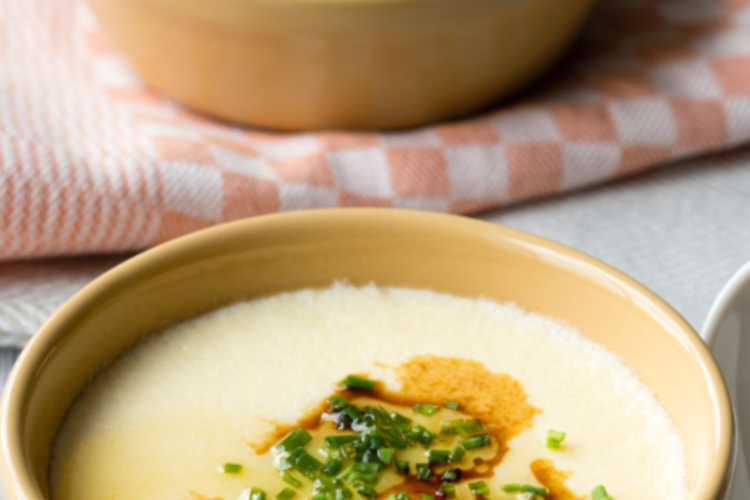
Chinese Steamed Egg (Super Silky)
A Comforting, Delicate Classic from Chinese Home Cooking
Chinese Steamed Egg is one of the simplest yet most satisfying dishes in Chinese cuisine. Known for its incredibly smooth, custard-like texture, this comforting dish is often described as “savory egg custard.” With only a few ingredients—eggs, water or broth, and light seasoning—it transforms into a silky, delicate dish that melts in your mouth.
This humble recipe is beloved across many Chinese households because it is nourishing, quick to prepare, and extremely versatile. It can be served as a side dish, a light meal, or even a comforting food for children and the elderly. What makes Chinese steamed egg truly special is its texture: soft, silky, and slightly jiggly, similar to tofu or custard.
In this guide, you will learn how to make perfectly smooth Chinese steamed egg step by step, along with expert tips that ensure a flawless texture every time.
Ingredients
This recipe serves 2–3 people.
Main Ingredients
- 3 large eggs
- 1 ½ cups warm water or chicken broth
- ½ teaspoon salt
- ½ teaspoon soy sauce
Optional Toppings
- 1 teaspoon sesame oil
- 1 tablespoon chopped green onions
- 1 teaspoon light soy sauce (for drizzling)
- A few cooked shrimp or sliced mushrooms
- A pinch of white pepper
Understanding the Secret to Silky Steamed Eggs
The key to achieving that signature silky texture lies in the egg-to-liquid ratio and gentle steaming.
Traditional Chinese cooks often use a ratio of 1 part egg to about 1.5–2 parts liquid. This dilution softens the eggs and allows them to cook slowly into a delicate custard rather than a firm scramble.
Another secret is low heat steaming. Cooking the eggs gently prevents bubbles and holes from forming, which keeps the texture smooth and uniform.
Step 1: Beat the Eggs
Start by cracking the eggs into a medium mixing bowl.
Using chopsticks or a whisk, beat the eggs gently until the yolks and whites are fully combined. Avoid whipping too aggressively because too much air will create bubbles in the custard.
The goal is a smooth, evenly mixed egg mixture with minimal foam.
Step 2: Add the Liquid
Warm your water or broth slightly so it is lukewarm but not hot.
Gradually pour the liquid into the beaten eggs while stirring gently. This step ensures the mixture blends smoothly without cooking the eggs prematurely.
Add:
- Salt
- Soy sauce
Mix until everything is well incorporated.
Chicken broth can add deeper flavor, but water works perfectly for a lighter and more traditional version.
Step 3: Strain the Egg Mixture
One of the most important steps for achieving super silky steamed eggs is straining the mixture.
Place a fine mesh sieve over a heatproof bowl or shallow dish. Pour the egg mixture through the sieve to remove bubbles, foam, and any bits of egg white that didn’t fully dissolve.
This simple step dramatically improves the final texture.
After straining, skim off any remaining bubbles from the surface with a spoon.
Step 4: Prepare the Steaming Setup
You can cook Chinese steamed eggs using:
- A bamboo steamer
- A metal steamer
- A wok with a steaming rack
- A deep pan with a lid
Fill the steamer or pan with a few inches of water and bring it to a gentle simmer.
Avoid a vigorous boil because strong steam can create bubbles in the custard.
Step 5: Cover the Bowl
Place the bowl of egg mixture into the steamer.
Before steaming, cover the bowl with:
- A heatproof plate, or
- Aluminum foil with a few tiny holes
This prevents water droplets from dripping onto the surface of the custard, which would create dents or uneven texture.
Step 6: Steam the Eggs
Steam the eggs over low to medium heat for about 10–12 minutes.
The cooking time depends on the depth of the bowl and the amount of egg mixture.
To check if it is ready, gently shake the bowl. The custard should look set but still slightly wobbly in the center.
If the center looks very liquid, steam for another 1–2 minutes.
Avoid overcooking, as this can cause the eggs to become tough or develop holes.
Step 7: Add the Finishing Touches
Once the eggs are fully cooked, carefully remove the bowl from the steamer.
Add your toppings:
- Drizzle sesame oil for fragrance
- Sprinkle green onions for freshness
- Add a small drizzle of soy sauce
Optional toppings such as cooked shrimp, mushrooms, or minced pork can also be added for extra flavor.
Texture and Flavor
When made correctly, Chinese steamed egg has an incredibly delicate texture.
The surface should be smooth and glossy, while the inside should feel soft and custard-like. Each spoonful should glide easily and feel almost creamy on the tongue.
The flavor is mild and comforting, with subtle umami from soy sauce and broth. Sesame oil and green onions add fragrance and brightness that elevate the dish without overpowering its simplicity.
Pro Tips for Perfect Steamed Eggs
1. Use the Right Ratio
The ideal ratio is roughly 1 egg : ½ cup liquid.
This ensures the eggs stay soft and silky.
2. Always Strain the Mixture
Straining removes bubbles and creates the signature smooth texture.
3. Steam Gently
High heat causes the custard to puff up and form holes.
4. Cover the Bowl
Condensation droplets can ruin the surface of the custard.
5. Don’t Overcook
Overcooked eggs lose their delicate texture and become rubbery.
Delicious Variations
Chinese steamed egg is extremely versatile. Here are some popular variations.
Shrimp Steamed Egg
Add raw shrimp on top before steaming. The shrimp cooks gently in the steam and adds sweetness.
Mushroom Steamed Egg
Top with sliced shiitake mushrooms for a deeper umami flavor.
Minced Pork Steamed Egg
Mix seasoned ground pork into the egg mixture for a hearty version.
Seafood Steamed Egg
Add scallops, shrimp, and crab for a luxurious dish.
Century Egg Steamed Custard
Mix diced century egg pieces into the mixture for a traditional twist.
Serving Suggestions
Chinese steamed egg is typically served warm alongside other dishes.
It pairs beautifully with:
- Steamed white rice
- Stir-fried vegetables
- Braised meats
- Light soups
Many families also serve it as part of a simple home-style meal because it complements stronger flavored dishes.
Nutritional Benefits
This dish is not only delicious but also nutritious.
Eggs provide:
- High-quality protein
- Essential vitamins like B12 and D
- Healthy fats
Because the eggs are diluted with water or broth and gently steamed, the dish is light and easy to digest.
This makes it ideal for children, elderly people, or anyone recovering from illness.
Storage and Reheating
Chinese steamed egg is best enjoyed fresh, but leftovers can be stored.
Refrigerator:
Store in an airtight container for up to 2 days.
Reheating:
Reheat gently by steaming again for a few minutes or microwaving on low power.
Avoid overheating, as this can change the texture.
Final Thoughts
Chinese Steamed Egg proves that simple ingredients can create extraordinary comfort food. With just eggs, water, and gentle steaming, you can achieve a silky, custard-like dish that feels both delicate and satisfying.
Mastering the small details—proper ratios, straining the mixture, and steaming gently—will help you achieve restaurant-quality results at home. Once you perfect the technique, you can experiment with toppings and variations to suit your taste.
Whether served as a side dish or enjoyed on its own with rice, this super silky steamed egg is a timeless classic that brings warmth and comfort with every spoonful.