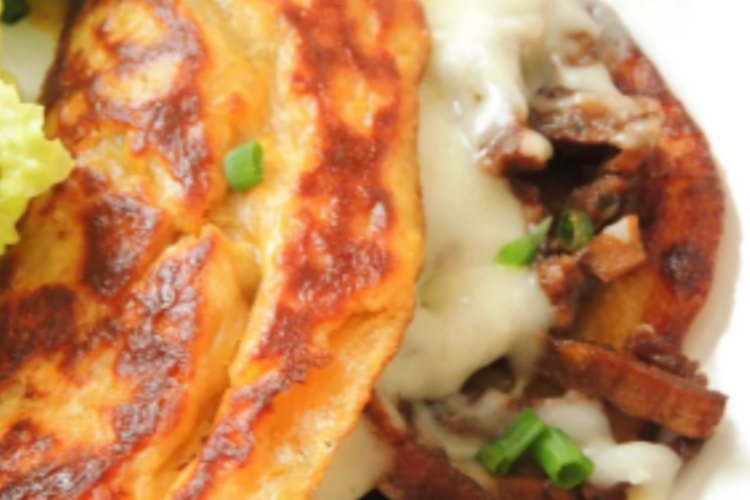
Venezuelan Sweet Corn Cachapas (Cachapas de Maíz)
Cachapas are one of Venezuela’s most beloved traditional dishes—golden, slightly sweet corn pancakes that are crispy on the outside and soft on the inside. They’re typically filled with cheese (especially fresh, melty varieties) and sometimes butter or meats. Think of them as a cross between a pancake and a corn tortilla, but with a distinctly rich, sweet corn flavor that makes them unique.
Ingredients
For the cachapa batter:
- 3 cups fresh corn kernels (about 4–5 ears of corn)
(You can substitute frozen corn, thawed and drained) - ¼ cup whole milk
- 2 tablespoons sugar (adjust depending on sweetness of corn)
- ½ teaspoon salt
- 2 tablespoons cornmeal (optional, for texture)
- 1 tablespoon melted butter or vegetable oil
- 1 egg (optional, for structure and richness)
For cooking:
- Butter or oil (for greasing the pan)
For filling:
- 200–300 grams fresh white cheese (traditionally “queso de mano” or “queso telita”)
(Substitutes: mozzarella, Oaxaca, or any mild melting cheese) - Butter (optional, for spreading)
Step 1: Preparing the Corn
The heart of cachapas is fresh corn. If you’re using whole ears, carefully slice the kernels off the cob using a sharp knife. Try to capture some of the milky liquid from the cob—it adds flavor and natural sweetness.
Fresh corn is preferred because it provides the authentic taste and slightly chunky texture. However, frozen corn works well if fresh isn’t available. Just make sure it’s fully thawed and drained to avoid excess moisture.
Step 2: Making the Batter
Place the corn kernels into a blender or food processor. Add the milk, sugar, salt, melted butter, and egg (if using). Blend until you get a thick, slightly coarse batter. You don’t want it completely smooth—some texture is essential for authentic cachapas.
If the mixture looks too runny, add a tablespoon or two of cornmeal to thicken it slightly. The consistency should be similar to pancake batter but a bit thicker.
Taste the batter and adjust sweetness or salt if needed. Cachapas are traditionally slightly sweet, but not dessert-level sweet—they should still pair well with savory cheese.
Step 3: Heating the Pan
Use a non-stick skillet, griddle, or cast-iron pan. Heat it over medium heat and lightly grease it with butter or oil.
The temperature is important: too hot and the outside will burn before the inside cooks; too low and the cachapas won’t develop that golden crust.
Step 4: Cooking the Cachapas
Pour about ½ cup of batter onto the pan for each cachapa. Use the back of a spoon to gently spread it into a circle about 10–12 cm (4–5 inches) wide. They should be thicker than crepes but thinner than typical pancakes.
Cook for about 3–5 minutes on the first side, until bubbles form and the bottom is golden brown. Carefully flip using a spatula and cook for another 3–4 minutes on the other side.
The cachapa should be firm enough to hold together but still soft and slightly moist inside.
Step 5: Adding the Cheese
Once the cachapa is cooked, remove it from the pan and immediately place slices of cheese on one half. The heat from the cachapa will begin to melt the cheese.
Fold the cachapa in half, like a taco or quesadilla. You can return it briefly to the pan to help the cheese melt further if desired.
For extra richness, spread a little butter inside before adding the cheese.
Step 6: Serving
Cachapas are best served hot, right off the pan. The contrast between the sweet corn cake and the salty, melty cheese is what makes them irresistible.
They can be enjoyed:
- As a breakfast dish
- As a snack or street food
- As a light lunch or dinner
You can also serve them with:
- Cream (like sour cream or Venezuelan nata)
- Fried pork (chicharrón)
- Ham or shredded beef
Tips for Perfect Cachapas
1. Use sweet corn:
The natural sweetness of the corn is essential. If your corn isn’t very sweet, increase the sugar slightly.
2. Don’t over-blend:
A bit of texture makes a big difference. Overly smooth batter will result in less authentic cachapas.
3. Control moisture:
If your batter is too thin, the cachapas will spread too much and won’t hold their shape. Add cornmeal gradually to fix this.
4. Medium heat is key:
Cooking too fast can burn the outside while leaving the inside undercooked.
5. Choose the right cheese:
Traditional Venezuelan cheeses are mild, salty, and melt beautifully. Mozzarella is the best widely available substitute.
Variations
While the classic cachapa with cheese is the most popular, there are many variations:
- Cachapa with ham and cheese: Adds a savory layer.
- Cachapa with pork: Often served with crispy chicharrón for a hearty meal.
- Mini cachapas: Smaller versions served as appetizers.
- Stuffed cachapas: Filled with multiple ingredients like avocado, meats, and sauces.
Cultural Context
Cachapas are deeply rooted in Venezuelan culinary tradition and are especially popular in rural areas and roadside stands known as “cachaperas.” These stands often serve cachapas fresh off large griddles, paired with locally made cheese.
They represent comfort food at its finest—simple ingredients transformed into something warm, filling, and deeply satisfying.
Storage and Reheating
If you have leftovers:
- Store cooked cachapas in the refrigerator for up to 2 days.
- Reheat in a skillet over low heat or in the microwave.
You can also store the batter for up to 24 hours in the fridge, though it’s best used fresh.
Final Thoughts
Making cachapas at home is a rewarding experience that brings a taste of Venezuela into your kitchen. The ingredients are simple, but the result is something truly special: a balance of sweet and savory, soft and crispy, comforting and indulgent.
Once you try them, they might become a regular favorite—especially if you love corn-based dishes with rich, melty fillings.