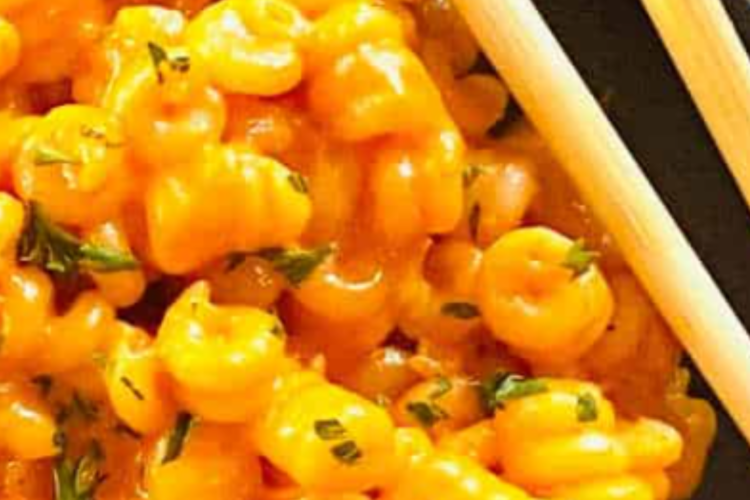
🌶️ Gochujang Pasta
A creamy, spicy, umami-packed pasta with a perfect balance of heat, sweetness, and richness
Introduction
Gochujang Pasta is a modern fusion dish that has gained popularity for its unique flavor profile. At the heart of this recipe is gochujang, a Korean fermented chili paste known for its deep umami taste, gentle sweetness, and lingering heat. When combined with cream, garlic, butter, and pasta, it transforms into a luxurious sauce that clings beautifully to every strand.
This dish is perfect for those who love experimenting in the kitchen and want something beyond traditional pasta sauces. It’s quick enough for a weeknight dinner yet impressive enough to serve to guests.
Ingredients
For the Pasta
- 250–300 g pasta (spaghetti, linguine, or fettuccine)
- Salt (for boiling water)
For the Sauce
- 2 tablespoons butter
- 1 tablespoon olive oil
- 4 cloves garlic, finely minced
- 1 tablespoon tomato paste
- 1½ to 2 tablespoons gochujang (adjust to taste)
- 1 cup (240 ml) heavy cream
- ½ cup (50 g) grated Parmesan cheese
- ½ teaspoon sugar (optional, to balance heat)
- Salt and black pepper to taste
Optional Add-ins
- 150 g shrimp, chicken, or mushrooms
- 1 small onion or shallot, finely chopped
- Spinach or kale for greens
For Garnish
- Chopped green onions
- Sesame seeds
- Extra Parmesan
Preparation
Step 1: Cook the Pasta
Bring a large pot of salted water to a boil. Add your pasta and cook according to package instructions until al dente.
Before draining, reserve about 1 cup of pasta water. This starchy water will help adjust the sauce later.
Drain the pasta and set aside.
Step 2: Prepare the Flavor Base
In a large skillet, heat the butter and olive oil over medium heat.
Add the minced garlic and sauté for about 1 minute until fragrant. If using onion or shallot, add it now and cook until soft and translucent.
👉 This step builds the aromatic foundation of the dish.
Step 3: Add Tomato Paste and Gochujang
Stir in the tomato paste and cook for 1–2 minutes. This helps deepen its flavor and remove any raw taste.
Next, add the gochujang and mix well. Let it cook briefly with the garlic and tomato paste so the flavors meld together.
At this stage, your kitchen will smell rich, spicy, and slightly sweet.
Step 4: Create the Creamy Sauce
Lower the heat and slowly pour in the heavy cream, stirring continuously.
The sauce will turn a beautiful orange-red color as the gochujang blends with the cream.
Let it simmer gently for 3–5 minutes until slightly thickened.
Step 5: Add Cheese and Seasoning
Stir in the grated Parmesan cheese until melted and smooth.
Taste the sauce and adjust:
- Add salt and pepper as needed
- Add a pinch of sugar if the sauce feels too spicy or tangy
Step 6: Combine Pasta and Sauce
Add the cooked pasta directly into the skillet.
Toss everything together until the pasta is evenly coated. If the sauce is too thick, add a splash of reserved pasta water until you reach your desired consistency.
Step 7: Add Optional Ingredients
If using shrimp, chicken, or vegetables:
- Cook them separately
- Add them to the pasta at this stage
Stir to combine and heat through.
Step 8: Garnish and Serve
Plate the pasta and finish with:
- Chopped green onions
- Sesame seeds
- Extra Parmesan
Serve immediately while hot and creamy.
Flavor Profile
Gochujang Pasta delivers a complex and satisfying taste:
- Spicy: from the gochujang
- Creamy: from the dairy
- Umami-rich: from fermentation and cheese
- Slightly sweet: balanced by sugar and cream
It’s a harmonious blend of Korean and Italian culinary traditions.
Variations
🦐 Shrimp Gochujang Pasta
Add sautéed shrimp for a seafood twist.
🍄 Vegetarian Version
Use mushrooms and spinach for a hearty, meat-free option.
🧀 Extra Cheesy
Add mozzarella for a stretchier, richer texture.
Tips for Success
- Start with less gochujang and adjust to taste
- Use freshly grated Parmesan for best results
- Don’t overcook the cream—keep it at a gentle simmer
- Reserve pasta water—it’s essential for a silky sauce
Storage
- Store leftovers in the fridge for up to 2 days
- Reheat gently with a splash of milk or water
- Avoid high heat to prevent the sauce from separating
Serving Ideas
This pasta pairs well with:
- A simple green salad
- Garlic bread
- Roasted vegetables
Final Thoughts
Gochujang Pasta is a perfect example of how global flavors can come together to create something exciting and delicious. It’s comforting like a classic pasta dish but elevated with bold, modern flavors.
Whether you’re a fan of spicy food or just looking to try something new, this dish is sure to become a favorite.