Chikwangue (Kwanga): The Traditional Fermented Cassava Bread of Central Africa
Chikwangue, also known as Kwanga, is one of the most important staple foods in Central Africa, especially in the Democratic Republic of the Congo, the Republic of the Congo, and parts of Angola. Made from fermented cassava and traditionally wrapped in banana leaves, Chikwangue is cherished for its slightly tangy flavor, dense texture, and remarkable versatility.
This beloved dish is often served alongside grilled fish, spicy stews, pondu, peanut sauce, or roasted meats. It is filling, affordable, and deeply rooted in the culinary traditions of Central Africa. For many families, Chikwangue is more than food—it is part of daily life, cultural identity, and shared history.
The preparation process is lengthy and requires patience, but the result is a delicious and authentic cassava bread with a unique flavor that cannot be replicated easily with shortcuts. The fermentation stage gives Chikwangue its distinctive taste while also helping preserve the cassava naturally.
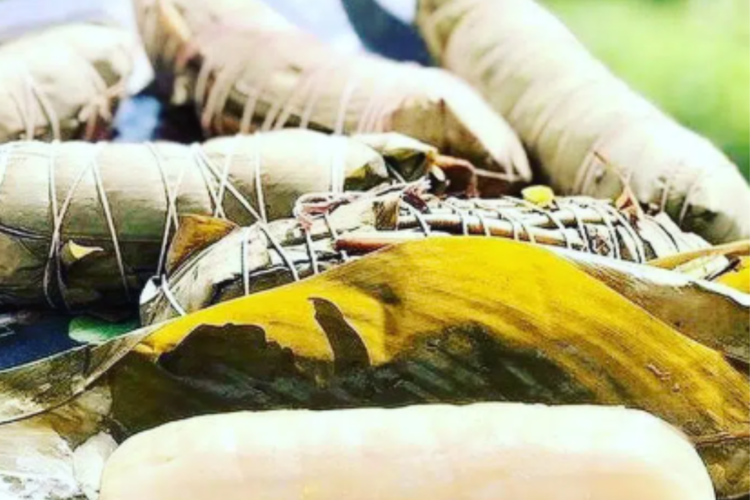
Traditionally sold wrapped tightly in banana leaves in markets across Central Africa, Chikwangue is portable, long-lasting, and perfect for accompanying hearty meals.
This recipe follows a traditional homemade method while remaining accessible for modern kitchens.
Ingredients
Main Ingredients
- 4 large cassava roots
- Water as needed
- Banana leaves for wrapping
- Salt (optional)
Optional Ingredients
- Cassava flour
- Plantain leaves
- Palm oil for serving
To Serve
- Pondu
- Grilled fish
- Peanut stew
- Meat sauce
- Fried plantains
- Spicy tomato sauce
Understanding Cassava
Cassava is a starchy root vegetable widely consumed throughout Africa, Asia, and South America. It is rich in carbohydrates and provides an important source of energy.
However, raw cassava contains natural compounds that must be removed through soaking, fermentation, and cooking. Proper preparation is essential both for flavor and safety.
The fermentation process is what transforms cassava into authentic Chikwangue. During fermentation, the cassava develops a mildly sour aroma and softer texture that become the foundation of the dish.
Preparing the Cassava
Begin by peeling the cassava roots thoroughly with a sharp knife. Remove all brown skin and the pinkish layer underneath.
Wash the peeled cassava carefully under running water.
Cut the cassava into medium-sized chunks to make soaking easier.
At this stage, inspect the cassava and remove any woody fibers from the center.
Fresh cassava should appear bright white and firm.
Fermenting the Cassava
Place the cassava chunks into a large container or bowl.
Cover completely with water.
Allow the cassava to soak and ferment for 3 to 5 days at room temperature.
During this time, the cassava softens and develops a slightly sour smell. The fermentation process is natural and essential for authentic flavor.
Change the water every day or every other day if necessary to maintain cleanliness.
By the end of fermentation, the cassava should break apart easily when pressed between your fingers.
This slow transformation is one of the secrets behind true Chikwangue.
Grinding the Cassava
Drain the fermented cassava thoroughly.
Using your hands, squeeze out as much excess water as possible.
Next, grind the cassava into a smooth paste using one of the following methods:
- Traditional mortar and pestle
- Food processor
- Meat grinder
- Blender
The texture should become smooth and slightly elastic without large lumps.
If the mixture feels too wet, continue squeezing excess moisture using a clean cloth or cheesecloth.
The ideal consistency is firm but moldable.
Cooking the Cassava Paste
Transfer the cassava paste into a large cooking pot.
Cook over low to medium heat while stirring constantly with a sturdy wooden spoon.
As the cassava cooks, it thickens into a dense dough-like consistency.
This process may take 20 to 30 minutes depending on the quantity.
Constant stirring is important to prevent burning and ensure even cooking.
The cooked cassava should become smooth, stretchy, and slightly glossy.
At this point, you may add a small amount of salt if desired.
Preparing the Banana Leaves
Banana leaves are traditionally used to wrap Chikwangue because they provide aroma, moisture retention, and protection during steaming.
Wash the banana leaves carefully.
To soften them and prevent tearing, briefly pass them over an open flame or dip them in hot water.
Cut the leaves into large rectangles suitable for wrapping individual portions.
The leaves should become flexible and shiny.
Wrapping the Chikwangue
Place a portion of cassava dough in the center of a banana leaf.
Shape it into a thick log or rectangular loaf.
Fold the banana leaf tightly around the cassava paste, ensuring it is completely enclosed.
Secure the parcel with kitchen string or strips of banana leaf.
Repeat until all the cassava mixture is wrapped.
Traditional Chikwangue parcels are often cylindrical and tightly sealed.
Steaming the Chikwangue
Arrange the wrapped parcels in a large steamer or deep cooking pot.
Add water carefully without submerging the parcels completely.
Steam over medium heat for about 2 to 3 hours.
Long steaming develops the final texture and flavor.
During steaming, the banana leaves release a subtle earthy aroma that infuses the cassava beautifully.
Check occasionally to ensure the water does not evaporate completely.
Add more hot water if necessary.
When fully cooked, the Chikwangue should feel firm yet slightly soft when pressed gently.
Serving Chikwangue
Chikwangue is traditionally served warm or at room temperature.
To eat, unwrap the banana leaves and slice the cassava bread into pieces.
Its mild, slightly tangy flavor pairs wonderfully with rich sauces and stews.
Popular accompaniments include:
- Pondu
- Grilled fish
- Spicy meat stew
- Peanut sauce
- Fried fish
- Palm oil sauce
- Roasted chicken
The dense texture makes Chikwangue especially satisfying and filling.
Taste and Texture
Chikwangue has a unique flavor profile unlike ordinary bread.
The fermentation creates:
- Mild tanginess
- Earthy aroma
- Slight sourness
- Deep cassava flavor
The texture is smooth, dense, elastic, and slightly chewy.
Because of its neutral taste, it absorbs sauces beautifully.
Tips for Perfect Chikwangue
Ferment Properly
Fermentation is essential for authentic flavor and texture. Do not rush this step.
Remove Excess Water
Too much moisture creates soft and sticky Chikwangue.
Stir Constantly
During cooking, constant stirring prevents lumps and burning.
Use Banana Leaves
Banana leaves add traditional aroma and help preserve moisture.
Steam Slowly
Long steaming creates the correct texture and consistency.
Cultural Importance of Chikwangue
Chikwangue holds a special place in Central African food culture.
In many communities, it is eaten daily and sold in markets wrapped neatly in banana leaves. Vendors often stack dozens of parcels in baskets or roadside stalls.
Because it keeps well for several days, Chikwangue is practical for travel, work, and family meals.
Preparing Chikwangue is often a communal activity involving multiple generations. Elders pass down techniques for fermenting, wrapping, and steaming to younger family members.
For many people from Congo and neighboring countries, the smell of steaming banana leaves instantly evokes memories of home and family gatherings.
Nutritional Benefits
Cassava provides:
- Complex carbohydrates
- Energy
- Fiber
- Vitamin C
Because Chikwangue is usually served with protein-rich stews and vegetables, it becomes part of a balanced and nourishing meal.
Fermentation may also improve digestibility and flavor complexity.
Variations of Chikwangue
Small Market-Style Chikwangue
Smaller individually wrapped portions commonly sold by street vendors.
Large Family Loaves
Prepared for gatherings and sliced before serving.
Spicy Chikwangue
Some cooks add chili or spices to the cassava paste.
Plantain Leaf Version
Plantain leaves may replace banana leaves depending on availability.
Common Mistakes to Avoid
Insufficient Fermentation
Under-fermented cassava lacks authentic flavor.
Too Much Water
Wet cassava paste creates weak texture.
Thin Wrapping
Poor wrapping may cause leaks during steaming.
Incomplete Cooking
Proper steaming time is essential for texture and safety.
Final Thoughts
Chikwangue is a beautiful example of how simple ingredients can become something deeply meaningful and delicious through patience and tradition.
Its fermented cassava flavor, wrapped banana leaf aroma, and hearty texture make it one of Central Africa’s most treasured foods.
Whether enjoyed with pondu, grilled fish, or spicy sauce, Chikwangue brings comfort, nourishment, and cultural connection to the table.
Once you experience authentic homemade Chikwangue, you will understand why this humble cassava bread remains a beloved staple across generations in Central Africa.