How to Make Cá Kho Tộ (Vietnamese Caramelized Braised Fish)
Cá Kho Tộ is a beloved dish in Vietnam known for its rich, savory, and slightly sweet flavor. The name literally translates to “fish braised in a clay pot.” This traditional Vietnamese dish features fish slowly simmered in a caramelized sauce made from fish sauce, sugar, garlic, and pepper. The result is tender fish coated in a glossy, deeply flavorful sauce that pairs beautifully with steamed rice.
In Vietnamese home cooking, Cá Kho Tộ is considered comfort food. It is commonly served during family meals and often appears on the dinner table alongside steamed vegetables, pickled vegetables, or a light soup. The slow braising process allows the fish to absorb the sweet and salty caramel sauce, creating a balance of flavors that is characteristic of Vietnamese cuisine.
Although the dish is traditionally cooked in a clay pot, it can also be prepared in a regular saucepan or skillet. The key to success lies in building the caramel sauce correctly and allowing the fish to gently simmer until the sauce thickens and coats the fish perfectly.
Ingredients
For the Fish
- 600–700 g firm white fish steaks (commonly catfish or tilapia)
- 2 tablespoons fish sauce
- 1 teaspoon freshly ground black pepper
- 2 cloves garlic, minced
- 1 shallot, finely sliced
- 1 teaspoon sugar
For the Caramel Sauce
- 2 tablespoons sugar
- 2 tablespoons water
For the Braising Liquid
- 3 tablespoons fish sauce
- 1 tablespoon soy sauce
- 1 tablespoon brown sugar
- 1 cup coconut water (or regular water)
- 1 teaspoon chili flakes (optional)
- 1 teaspoon freshly cracked black pepper
Optional Garnishes
- Sliced green onions
- Fresh red chili slices
- Additional cracked black pepper
Step 1: Preparing the Fish
Start by rinsing the fish steaks under cold water and patting them dry with paper towels. Many Vietnamese cooks prefer using catfish because of its rich texture, but other firm fish such as tilapia, cod, or basa also work well.
Place the fish in a bowl and season it with fish sauce, minced garlic, sliced shallots, sugar, and black pepper. Gently rub the marinade into the fish to ensure the flavors penetrate the flesh.
Allow the fish to marinate for about 15–20 minutes. This step enhances the flavor and prepares the fish for the braising process.
Step 2: Making the Caramel Base
One of the most important elements of Cá Kho Tộ is the caramel sauce. This technique, often called “Vietnamese caramel,” adds a deep color and complex sweetness to the dish.
- Heat a clay pot or saucepan over medium heat.
- Add the sugar and water.
- Allow the mixture to cook without stirring until it begins to turn golden brown.
- Swirl the pan gently as the sugar melts and darkens into an amber caramel.
Be careful not to burn the caramel. The goal is a deep amber color that provides a slightly bitter-sweet flavor that balances the salty fish sauce.
Step 3: Adding the Fish
Once the caramel reaches the right color, carefully place the marinated fish into the pot. The caramel will bubble vigorously when the fish touches it, which is completely normal.
Turn the fish gently to coat both sides with the caramel. This step gives the fish its signature rich brown glaze.
Step 4: Adding the Braising Liquid
Next, pour in the braising liquid ingredients:
- Fish sauce
- Soy sauce
- Brown sugar
- Coconut water
- Chili flakes (if using)
Coconut water is commonly used in southern Vietnamese cooking because it adds a subtle natural sweetness. However, regular water works perfectly if coconut water is unavailable.
Bring the mixture to a gentle simmer.
Step 5: Slow Braising
Reduce the heat to low and allow the fish to braise uncovered for about 25–30 minutes.
During this time:
- The liquid will gradually reduce.
- The sauce will thicken.
- The fish will absorb the rich caramel flavor.
Occasionally spoon some of the sauce over the fish to keep it moist and evenly flavored.
The finished sauce should be thick, glossy, and deeply aromatic.
Step 6: Final Seasoning
When the sauce has reduced and coats the fish beautifully, taste it and adjust the seasoning if necessary. Add extra fish sauce for saltiness, a bit of sugar for sweetness, or more black pepper for a spicy kick.
Sprinkle chopped green onions and fresh chili slices on top before serving.
Step 7: Serving the Dish
Cá Kho Tộ is traditionally served hot with a bowl of freshly steamed jasmine rice. The sauce is incredibly flavorful, so many people enjoy spooning the extra sauce over their rice.
A typical Vietnamese meal featuring Cá Kho Tộ might also include:
- Steamed or sautéed vegetables
- Pickled mustard greens
- A light vegetable soup
The balance of salty, sweet, and savory flavors makes the dish extremely satisfying.
Tips for the Best Cá Kho Tộ
Choose the right fish: Firm fish with some fat content works best because it holds its shape during braising.
Control the caramel: If the caramel becomes too dark, it may taste bitter. Aim for a rich amber color.
Use freshly cracked pepper: Vietnamese cuisine often highlights black pepper in braised dishes.
Let the sauce reduce slowly: Patience is key. A slow simmer develops the signature flavor.
Variations of the Dish
Although traditional Cá Kho Tộ uses catfish, there are several variations across Vietnam:
Northern style: Often less sweet and slightly lighter in color.
Southern style: Sweeter and frequently uses coconut water for depth.
Spicy version: Includes fresh chilies for extra heat.
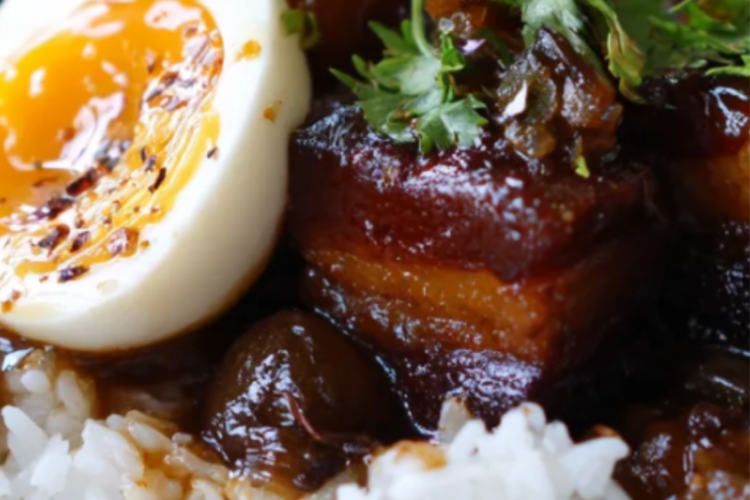
Some cooks also add boiled eggs or pork belly for an even richer dish.
Storage and Reheating
Leftover Cá Kho Tộ stores very well. In fact, the flavor often becomes even better the next day.
- Store leftovers in an airtight container in the refrigerator for up to 3 days.
- Reheat gently on the stovetop with a small splash of water to loosen the sauce.
Avoid microwaving for too long, as it can overcook the fish.
Final Thoughts
Cá Kho Tộ is a perfect example of how simple ingredients can transform into a deeply flavorful dish. With just fish sauce, sugar, aromatics, and time, this Vietnamese classic becomes a comforting and satisfying meal.
The contrast between the sweet caramel sauce and the salty richness of the fish creates a beautiful harmony of flavors. Served with warm rice and simple vegetables, this dish captures the essence of traditional Vietnamese cuisine.