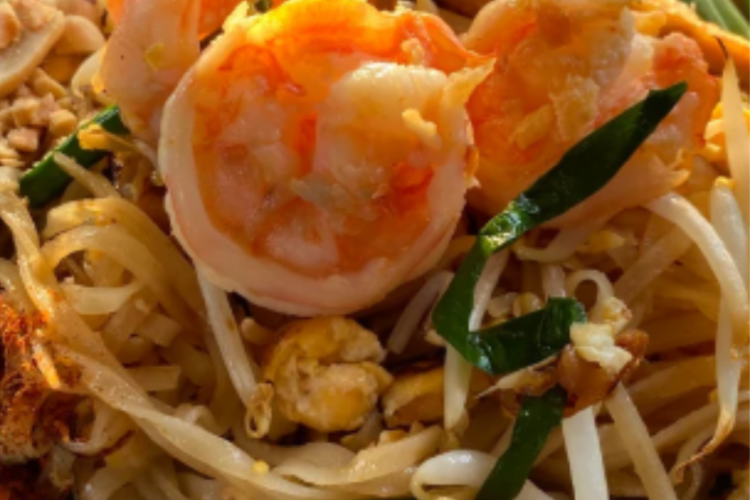
Easy Shrimp Pad Thai (Ready in Just 30 Minutes)
Pad Thai is one of the most beloved dishes in Thai cuisine. Known for its irresistible balance of sweet, savory, tangy, and slightly spicy flavors, this classic noodle dish has become a favorite around the world. Traditionally sold by street vendors across Thailand, Pad Thai is surprisingly easy to recreate at home with just a handful of ingredients and a single pan. This Easy Shrimp Pad Thai recipe delivers authentic flavor while keeping the process simple enough for a quick weeknight dinner. Best of all, it takes only about 30 minutes from start to finish.
This dish features tender rice noodles stir-fried with juicy shrimp, scrambled eggs, crunchy bean sprouts, and green onions, all tossed in a rich, tangy Pad Thai sauce. A sprinkle of crushed peanuts, a squeeze of lime, and a dash of chili flakes complete the dish with vibrant texture and flavor.
Ingredients
For the Pad Thai Sauce
- 3 tablespoons tamarind paste
- 3 tablespoons fish sauce
- 2 tablespoons brown sugar
- 1 tablespoon lime juice
- 1 teaspoon soy sauce
- ½ teaspoon chili paste (optional, for heat)
For the Noodles and Stir Fry
- 8 ounces rice noodles
- 1 pound raw shrimp, peeled and deveined
- 2 tablespoons vegetable oil
- 2 cloves garlic, minced
- 2 eggs
- 1 cup bean sprouts
- 3 green onions, sliced
- ¼ cup roasted peanuts, crushed
Optional Garnishes
- Lime wedges
- Extra bean sprouts
- Chili flakes
- Fresh cilantro
Step 1: Prepare the Rice Noodles
Start by soaking the rice noodles according to the package instructions. Most rice noodles soften by soaking in warm water for about 8–10 minutes. They should be flexible but still slightly firm because they will finish cooking in the pan.
Drain the noodles and set them aside. Avoid over-soaking them, as overly soft noodles can become mushy during stir-frying.
Step 2: Make the Pad Thai Sauce
In a small bowl, whisk together the tamarind paste, fish sauce, brown sugar, lime juice, soy sauce, and chili paste if using. Stir until the sugar dissolves completely.
This sauce is the heart of Pad Thai. Tamarind provides the signature tangy flavor, fish sauce adds deep umami richness, and brown sugar balances everything with a gentle sweetness. Taste the sauce and adjust if needed — add more lime for brightness or sugar for sweetness.
Set the sauce aside so it’s ready to pour into the pan later.
Step 3: Cook the Shrimp
Heat a large skillet or wok over medium-high heat and add one tablespoon of vegetable oil. Once the oil is hot, add the shrimp in a single layer.
Cook the shrimp for 1–2 minutes per side until they turn pink and opaque. Avoid overcooking them, as shrimp can become rubbery if cooked too long.
Remove the shrimp from the pan and set them aside on a plate.
Step 4: Cook the Garlic and Eggs
In the same pan, add the remaining tablespoon of oil and reduce the heat slightly to medium. Add the minced garlic and sauté for about 30 seconds, just until fragrant.
Push the garlic to one side of the pan and crack the eggs into the empty space. Scramble them gently with a spatula until they are just cooked but still soft. Mixing the eggs into the noodles later will give the dish its classic texture.
Step 5: Add the Noodles
Add the drained rice noodles to the pan with the eggs and garlic. Use tongs or a spatula to gently toss everything together.
Pour the prepared Pad Thai sauce over the noodles and stir well so the noodles absorb all the flavorful sauce. Let them cook for 2–3 minutes, stirring frequently, until the noodles are tender and coated.
If the noodles seem dry, add a splash of water to loosen the sauce.
Step 6: Combine Everything
Return the cooked shrimp to the pan. Add the bean sprouts and sliced green onions.
Toss everything together for another 1–2 minutes until the shrimp are warmed through and the vegetables are slightly softened but still crisp. Pad Thai should have a mix of textures — soft noodles, juicy shrimp, and crunchy sprouts.
Step 7: Add the Finishing Touches
Turn off the heat and sprinkle the crushed peanuts over the noodles. Give everything one final toss.
Serve the Pad Thai immediately in bowls or plates. Garnish with extra bean sprouts, lime wedges, chili flakes, and fresh cilantro if desired.
A squeeze of lime right before eating brightens the flavors and makes the dish taste even more authentic.
Tips for Perfect Pad Thai
1. Use high heat.
Pad Thai cooks quickly and benefits from high heat, which helps create that slightly smoky stir-fried flavor.
2. Don’t overcook the noodles.
Rice noodles continue cooking in the pan, so it’s best to soak them until just pliable.
3. Prep everything first.
Since the cooking process is fast, it’s helpful to have all your ingredients ready before turning on the stove.
4. Adjust flavors to taste.
Pad Thai is all about balance — sweet, salty, sour, and spicy. Feel free to tweak the sauce ingredients to match your preference.
Ingredient Substitutions
If you don’t have certain ingredients on hand, here are a few easy swaps:
- Chicken or tofu can replace shrimp for a different protein option.
- Lemon juice can substitute for lime juice in a pinch.
- Palm sugar can replace brown sugar for a more traditional taste.
- Rice vinegar can provide acidity if tamarind paste is unavailable (though the flavor will be slightly different).
Variations to Try
This recipe is very flexible, and you can easily customize it.
Chicken Pad Thai:
Replace the shrimp with thinly sliced chicken breast.
Vegetarian Pad Thai:
Use tofu instead of shrimp and replace fish sauce with soy sauce or vegetarian fish sauce.
Extra Veggie Pad Thai:
Add shredded carrots, bell peppers, or snap peas for more color and nutrition.
Spicy Pad Thai:
Increase the chili paste or add fresh Thai chilies for extra heat.
Serving Suggestions
Pad Thai is delicious on its own, but it pairs wonderfully with simple Thai-inspired sides. Fresh spring rolls, cucumber salad, or a light coconut soup make excellent companions. A cold iced tea or lime soda also complements the bold flavors of the dish.
Storage and Reheating
If you have leftovers, store them in an airtight container in the refrigerator for up to 2 days.
To reheat, warm the noodles in a skillet over medium heat with a splash of water to loosen the sauce. Stir gently until heated through. Avoid microwaving for too long, as it can overcook the shrimp.
Final Thoughts
This Easy Shrimp Pad Thai proves that you don’t need a restaurant or complicated ingredients to enjoy authentic Thai flavors at home. With a quick homemade sauce, tender shrimp, and perfectly cooked noodles, this dish comes together in just 30 minutes, making it ideal for busy evenings.
Once you try it, you’ll see how simple and satisfying homemade Pad Thai can be. It’s a recipe you’ll want to keep in your weekly dinner rotation — flavorful, comforting, and always a crowd-pleaser.