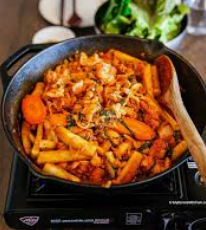
Easy Spicy Dakgalbi Recipe (Korean Spicy Stir-Fried Chicken)
Introduction
Dakgalbi is one of those dishes that hits all the pleasure points: spicy, savory, slightly sweet, smoky, and deeply comforting. Originating from Chuncheon, South Korea, this iconic stir-fried chicken dish was originally street food—cheap, filling, and meant to be shared. Over time, it evolved into a beloved home-cooked meal and restaurant classic, often cooked at the table on a sizzling pan.
The beauty of dakgalbi is that it looks impressive but is actually very forgiving and easy to make. You don’t need fancy equipment, rare ingredients, or advanced cooking skills. What you do need is a good gochujang-based sauce, tender chicken, crunchy vegetables, and a little patience while everything caramelizes into spicy perfection.
This easy version is designed for home cooks who want authentic flavor without complicated steps. You can adjust the heat, swap vegetables, and even turn leftovers into fried rice the next day (which might honestly be the best part).
Ingredients (Serves 3–4)
For the Chicken & Vegetables
- 700 g (1½ lb) boneless chicken thighs, cut into bite-size pieces
- 1 medium sweet potato, peeled and sliced into thin half-moons
- 1 large carrot, sliced thin
- 1 medium onion, sliced
- ½ small cabbage, roughly chopped
- 2 green onions, cut into 4 cm (1½-inch) pieces
- 1 tablespoon neutral oil (vegetable or sunflower)
For the Spicy Dakgalbi Sauce
- 3 tablespoons gochujang (Korean chili paste)
- 1½ tablespoons gochugaru (Korean chili flakes – adjust to taste)
- 1½ tablespoons soy sauce
- 1 tablespoon sugar (or honey for a softer sweetness)
- 1 tablespoon rice syrup or corn syrup (optional but traditional)
- 1 tablespoon minced garlic
- 1 teaspoon grated ginger
- 1 tablespoon sesame oil
- 2 tablespoons water
Optional Add-Ins
- 150 g mozzarella cheese (for cheese dakgalbi)
- Perilla leaves or spinach
- Rice cakes (tteok), soaked if frozen
Step 1: Prepare the Chicken
Start with chicken thighs, not breasts. Thighs stay juicy, absorb the sauce better, and are far more forgiving if slightly overcooked. Cut them into evenly sized pieces so they cook at the same speed.
Pat the chicken dry with paper towels. This small step helps the sauce cling better and improves caramelization later.
Place the chicken in a large bowl and set aside while you prepare the sauce.
Step 2: Make the Dakgalbi Sauce
In a separate bowl, combine:
- Gochujang
- Gochugaru
- Soy sauce
- Sugar
- Rice syrup (if using)
- Garlic
- Ginger
- Sesame oil
- Water
Mix until smooth and glossy. The sauce should be thick but spreadable, deeply red, and intensely fragrant. Taste it—this is important. It should be spicy, savory, slightly sweet, and a little aggressive. Remember: once mixed with vegetables, the flavor will mellow.
If it tastes flat, add a pinch of salt or more soy sauce. Too spicy? Add a bit more sugar or water.
Step 3: Marinate the Chicken
Pour about two-thirds of the sauce over the chicken. Mix well with your hands or a spoon until every piece is coated.
Let the chicken marinate for at least 15 minutes. If you have time, 30 minutes is even better. You don’t need hours—this sauce works fast.
Reserve the remaining sauce for later.
Step 4: Prep the Vegetables
While the chicken marinates, prep your vegetables. Slice everything thinly and evenly—this ensures even cooking and that perfect mix of soft and slightly crisp textures.
Sweet potato slices should be thin enough to cook through quickly. If they’re too thick, they’ll stay crunchy while everything else is done.
Step 5: Start Cooking
Heat a large, wide pan or wok over medium-high heat. Add the oil and let it get hot.
Add the marinated chicken in a single layer. Don’t stir immediately. Let it sear for 2–3 minutes so it develops color and starts caramelizing.
Once the chicken begins to brown, add the onion, carrot, and sweet potato. Stir gently so the sauce coats everything.
Lower the heat to medium, cover the pan, and cook for about 8–10 minutes, stirring occasionally. The vegetables will release moisture, creating a rich, spicy sauce.
Step 6: Add Cabbage and Finish Cooking
Add the cabbage and green onions, along with the remaining sauce. Stir well.
Cook uncovered for another 5–7 minutes, stirring frequently, until:
- The chicken is fully cooked
- The vegetables are tender
- The sauce has thickened and clings to everything
You should see glossy, sticky sauce coating each piece. If it looks dry, add a splash of water. If it’s too wet, let it cook uncovered a little longer.
Step 7: Optional Cheese Finish
For cheese dakgalbi, lower the heat, sprinkle mozzarella generously over the top, cover the pan, and let it melt for 2–3 minutes.
The stretchy cheese balances the spice and turns this into pure comfort food.
How to Serve Dakgalbi
Traditionally, dakgalbi is served straight from the pan, family-style.
Serve with:
- Steamed white rice
- Sesame seeds sprinkled on top
- Extra gochugaru for heat lovers
Bonus: Dakgalbi Fried Rice
When you’re almost done eating, add leftover rice directly into the pan with a little sesame oil and seaweed flakes. Fry until crispy. This is not optional—it’s legendary.
Tips for Perfect Dakgalbi
- Use thighs, always: Juicy, flavorful, and authentic
- Don’t rush the caramelization: That sticky sauce is where the magic lives
- Balance the heat: Spice should excite, not overwhelm
- Make it your own: Add mushrooms, zucchini, or even noodles
Final Thoughts
Easy Spicy Dakgalbi is the kind of dish that feels dramatic but is secretly simple. It’s bold, cozy, customizable, and perfect for sharing. Once you make it at home, you’ll wonder why you ever waited for a restaurant version.