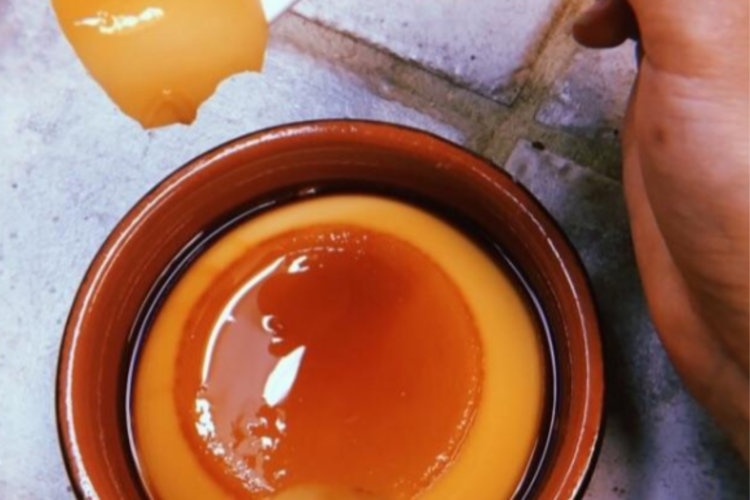
Family Favorite Japanese Dessert: Silky Custard Purin
Japanese Purin (プリン) is a beloved custard dessert found in homes, bakeries, and cafés across Japan. Often compared to crème caramel, purin is slightly firmer than flan yet incredibly smooth and silky. It features a delicate vanilla custard topped with a glossy, bittersweet caramel sauce that flows beautifully when inverted onto a plate.
Simple ingredients, gentle baking, and careful caramelization are the keys to mastering this comforting family favorite. This detailed 1000-word recipe will guide you step by step to achieve that perfectly tender, jiggly texture that makes Japanese purin so irresistible.
What Is Purin?
Purin is the Japanese adaptation of European custard puddings introduced during the Meiji era. Over time, it evolved into a uniquely Japanese dessert — lighter, less eggy, subtly sweet, and beautifully smooth.
Unlike some Western flans that are very soft, purin has structure. It should hold its shape when unmolded yet wobble gently when touched.
Ingredients (Serves 6)
For the Caramel:
- 100 g granulated sugar (½ cup)
- 2 tablespoons water
- 1 tablespoon hot water (added at the end)
For the Custard:
- 3 large eggs (room temperature)
- 60 g sugar (¼ cup + 1 tablespoon)
- 500 ml whole milk (2 cups)
- 1 teaspoon pure vanilla extract
Equipment
- 6 small ramekins or pudding molds
- Small saucepan
- Mixing bowl
- Whisk
- Fine mesh strainer
- Baking dish (for water bath)
- Kettle (for hot water)
Step 1: Make the Caramel
Caramel is the foundation of purin’s flavor. It should be deep amber — slightly bitter but not burnt.
- In a small saucepan, combine sugar and 2 tablespoons water.
- Heat over medium heat without stirring. You may gently swirl the pan if needed.
- The sugar will dissolve, bubble, and gradually turn golden.
- Once it reaches a deep amber color, remove from heat immediately.
- Carefully add 1 tablespoon hot water (it will bubble vigorously).
- Stir gently to combine.
Quickly pour a thin layer of caramel into the bottom of each ramekin. Swirl to coat evenly before it hardens.
Set aside to cool and firm.
Step 2: Prepare the Custard Base
Preheat your oven to 150°C (300°F).
In a mixing bowl, gently whisk the eggs and sugar together. Do not beat vigorously — too much air creates bubbles and ruins the smooth texture.
Heat the milk in a saucepan until warm but not boiling (about 60–70°C). It should feel hot but not scalding.
Slowly pour the warm milk into the egg mixture while whisking gently. This tempers the eggs and prevents scrambling.
Add vanilla extract and stir to combine.
Step 3: Strain for Silkiness
For ultra-smooth purin, strain the custard mixture through a fine mesh sieve into a clean bowl. This removes bubbles and any bits of cooked egg.
Let the mixture rest for 5 minutes. Skim off any surface foam with a spoon.
Step 4: Fill the Molds
Pour the custard mixture gently over the hardened caramel in each ramekin.
Fill about 90% full.
Place the ramekins into a deep baking dish.
Step 5: Bake in a Water Bath (Bain-Marie)
Boil water in a kettle.
Carefully pour hot water into the baking dish until it reaches halfway up the sides of the ramekins.
This water bath ensures gentle, even cooking and prevents curdling.
Bake for 35–45 minutes.
The purin is done when:
- The edges are set
- The center jiggles slightly
- A knife inserted comes out mostly clean
Avoid overbaking, as it causes a rubbery texture.
Step 6: Cool and Chill
Remove ramekins from the water bath and let cool at room temperature.
Refrigerate for at least 4 hours (preferably overnight). This chilling step allows the custard to fully set and develop flavor.
Step 7: Unmold and Serve
To unmold:
- Run a thin knife around the edge.
- Place a plate on top.
- Flip quickly and confidently.
- Lift the ramekin gently.
The caramel will cascade over the custard in a glossy sauce.
Serve chilled.
Texture Guide
Perfect purin should be:
- Smooth and silky
- Firm enough to hold shape
- Slightly jiggly in the center
- Lightly sweet with balanced caramel bitterness
Tips for Perfect Purin
- Use room-temperature eggs.
- Do not boil the milk.
- Whisk gently to avoid air bubbles.
- Always strain the mixture.
- Bake at low temperature.
- Chill thoroughly before unmolding.
Common Mistakes to Avoid
Overcooking – causes a firm, rubbery texture.
Skipping the water bath – leads to uneven cooking.
Too dark caramel – creates burnt bitterness.
Not chilling long enough – purin won’t set properly.
Variations
1. Matcha Purin
Add 1 teaspoon matcha powder dissolved in warm milk.
2. Coffee Purin
Replace 2 tablespoons milk with strong espresso.
3. Chocolate Purin
Add 50 g melted dark chocolate to warm milk.
4. Creamier Version
Replace 100 ml milk with heavy cream.
Storage
- Refrigerate up to 3 days.
- Keep covered to prevent absorbing odors.
- Not recommended for freezing.
Nutritional Overview (Approximate Per Serving)
- Calories: 210–250
- Protein: 7 g
- Carbohydrates: 28 g
- Fat: 8–10 g
Why Families Love Purin
Purin is simple, nostalgic, and universally appealing. Its gentle sweetness makes it suitable for children, while the caramel depth satisfies adults.
In Japan, it is a common homemade dessert because it requires minimal ingredients and offers consistent results when done carefully.
Serving Ideas
- With fresh strawberries
- Topped with whipped cream
- Paired with green tea
- Garnished with mint
- With a side of sponge cake
Final Thoughts
Silky Custard Purin is proof that simple ingredients can create extraordinary results. With just eggs, milk, sugar, and vanilla, you achieve a dessert that feels elegant yet comforting.
The contrast between creamy custard and bittersweet caramel is timeless. Once you master the gentle baking method and careful caramelization, this recipe becomes a reliable favorite for family dinners, celebrations, or quiet evenings at home.
Take your time, bake gently, chill patiently — and enjoy that perfect jiggle when you turn it onto the plate.
One spoonful, and you’ll understand why purin is a cherished Japanese classic. 🍮✨