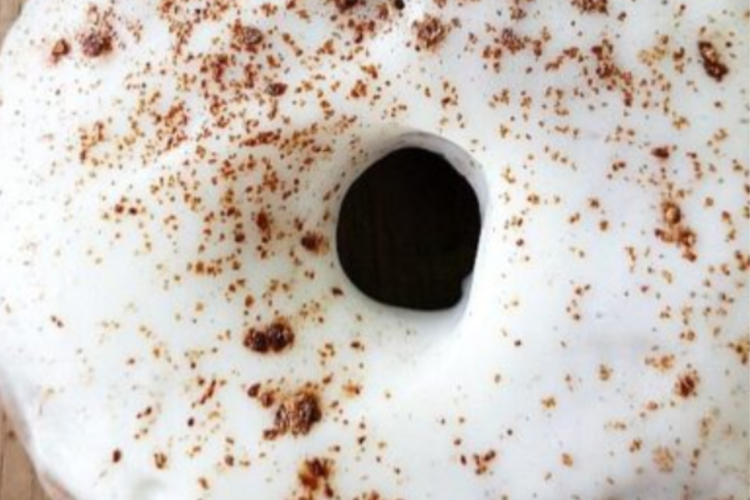
Glazed Donuts with Milk Bread Dough – Ultra-Soft, Fluffy & Irresistibly Glossy 🍩✨
If you’ve ever dreamed of making bakery-style glazed donuts that are unbelievably soft, airy, and melt-in-your-mouth tender, this recipe is for you. The secret? Milk bread dough, inspired by the Japanese Hokkaido technique, which uses a cooked flour paste (tangzhong) to create a pillowy texture that stays fresh longer. The result is donuts that are lighter than traditional yeast donuts, with a delicate crumb and a shiny, sweet glaze that crackles slightly when you bite into it.
These donuts are perfect for breakfast, brunch gatherings, or simply satisfying a sweet craving with something truly special.
Ingredients
For the Tangzhong (Milk Bread Starter):
- 3 tablespoons (25 g) bread flour
- ½ cup (120 ml) whole milk
For the Dough:
- 2 ¾ cups (350 g) bread flour
- ¼ cup (50 g) granulated sugar
- 1 teaspoon salt
- 2 ¼ teaspoons (1 packet) active dry yeast
- ½ cup (120 ml) warm whole milk (not hot)
- 1 large egg, room temperature
- All of the tangzhong mixture
- 4 tablespoons (60 g) unsalted butter, softened
For Frying:
- Neutral oil (vegetable or canola), enough for deep frying
For the Classic Glaze:
- 2 cups (240 g) powdered sugar
- 3–4 tablespoons milk
- ½ teaspoon vanilla extract
- Pinch of salt
Optional toppings:
- Sprinkles
- Melted chocolate drizzle
- Toasted coconut
Step 1: Prepare the Tangzhong
In a small saucepan over medium-low heat, whisk together the flour and milk. Stir continuously for about 3–5 minutes until it thickens into a smooth paste resembling pudding. When you drag a spoon through it, it should leave a line that holds briefly.
Remove from heat and let cool to room temperature.
Why this step matters: The tangzhong pre-gelatinizes the starch in the flour, allowing the dough to absorb more moisture. This creates donuts that are softer and stay fresh longer.
Step 2: Activate the Yeast
In a bowl, combine warm milk (around 38°C/100°F) with a pinch of sugar and sprinkle the yeast over the top. Let sit for 5–10 minutes until foamy. If it doesn’t foam, your yeast may be inactive.
Step 3: Make the Dough
In a large mixing bowl (or stand mixer bowl), combine:
- Bread flour
- Sugar
- Salt
Add:
- Yeast mixture
- Egg
- Tangzhong
Mix until a rough dough forms. Knead for 5–7 minutes until it becomes smooth and elastic.
Add softened butter gradually, kneading until fully incorporated. Continue kneading another 5–8 minutes. The dough should be soft, slightly tacky, and stretchy enough to pass the “windowpane test” (stretch thin without tearing).
Step 4: First Rise
Shape the dough into a ball and place it in a lightly greased bowl. Cover with plastic wrap or a clean towel.
Let rise in a warm place for 1–1½ hours, or until doubled in size.
Because of the enriched dough and butter, this may take slightly longer than regular bread dough—be patient.
Step 5: Shape the Donuts
Punch down the risen dough gently to release air. Turn it out onto a lightly floured surface.
Roll to about ½ inch (1.2 cm) thickness.
Use a donut cutter (or two round cutters) to cut shapes. Place donuts and donut holes on parchment-lined trays.
Cover loosely and let rise again for 30–45 minutes, until puffy and airy.
Tip: The second rise is crucial for fluffy donuts—don’t rush it.
Step 6: Fry to Golden Perfection
Heat oil in a heavy pot to 170–175°C (340–350°F). Use a thermometer for accuracy.
Carefully lower 2–3 donuts at a time into the oil. Fry for about 1–2 minutes per side, until golden brown.
Avoid overcrowding, which lowers oil temperature.
Transfer to a wire rack lined with paper towels to drain excess oil.
Proper temperature ensures:
- Even cooking
- No greasy texture
- Beautiful golden color
Step 7: Prepare the Glaze
In a medium bowl, whisk together powdered sugar, milk, vanilla, and salt until smooth. Adjust milk amount for desired thickness:
- Thicker glaze = more opaque finish
- Thinner glaze = lighter coating
The glaze should coat the back of a spoon but still drip smoothly.
Step 8: Glaze the Donuts
While donuts are still slightly warm (not hot), dip the top side into the glaze.
Lift and let excess drip off, then place on a wire rack.
Allow glaze to set for about 15–20 minutes. It will form a shiny, delicate crust.
For extra glaze coverage, you can dip twice after the first layer sets.
Texture & Flavor Experience
These milk bread donuts are:
- Exceptionally soft
- Light and airy
- Slightly chewy in the best way
- Rich but not heavy
- Sweet with balanced vanilla glaze
They almost melt in your mouth, thanks to the tangzhong method.
Variations
Chocolate Glazed
Add 2 tablespoons cocoa powder to the glaze and adjust milk accordingly.
Maple Glaze
Replace milk with maple syrup and a splash of cream.
Filled Donuts
Skip the center hole and fry as rounds. Once cooled, fill with:
- Pastry cream
- Jam
- Nutella
- Vanilla custard
Cinnamon Sugar
Instead of glazing, toss warm donuts in cinnamon sugar.
Storage Tips
- Best enjoyed fresh the same day.
- Store in airtight container at room temperature for up to 2 days.
- Reheat briefly (5–8 seconds) in microwave for softness.
- Dough can be refrigerated overnight after first rise for slow fermentation flavor.
Pro Tips for Success
- Use bread flour for structure and chew.
- Measure flour accurately—preferably by weight.
- Don’t overheat oil; it causes dark outside and raw inside.
- Let donuts cool slightly before glazing.
- Use fresh yeast for best rise.
Why Milk Bread Dough Makes a Difference
Traditional donut dough can sometimes dry out quickly. By using the tangzhong method (popular in Japanese milk bread baking), we trap extra moisture inside the dough. This results in:
- Longer-lasting freshness
- Superior softness
- More elastic crumb
- Bakery-level texture
It’s the same technique used for pillowy milk buns and soft sandwich loaves—adapted beautifully for donuts.
Serving Ideas
Serve these glazed donuts with:
- Fresh brewed coffee
- Cold milk
- Hot chocolate
- A brunch spread with fruit and eggs
They also make wonderful homemade gifts wrapped in parchment and ribbon.
Final Thoughts
Glazed Donuts with Milk Bread Dough are a step above ordinary homemade donuts. The extra effort of preparing the tangzhong transforms the texture into something truly luxurious. Once you taste the soft, airy crumb combined with that glossy sweet glaze, you’ll understand why this method is worth it.
Homemade donuts may seem intimidating at first, but with patience and attention to detail, you can achieve bakery-quality results right in your own kitchen.