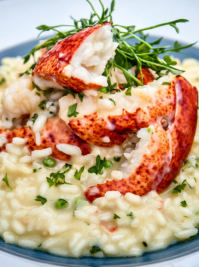
Gordon Ramsay–Inspired Lobster Risotto
A restaurant-level classic with bold flavor, perfect texture, and zero shortcuts
Introduction: Why This Risotto Is Special
Lobster risotto is not about piling ingredients into rice. It’s about discipline, timing, and respect for flavor—three things Gordon Ramsay preaches relentlessly. The rice must be creamy but never sloppy, the lobster sweet and barely cooked, and the stock screaming with shellfish intensity. When done right, this dish tastes like the sea and feels like silk.
This recipe follows Ramsay’s philosophy: build flavor in layers, taste constantly, and never rush the rice. Risotto is not hard—but it demands attention. Give it that, and it rewards you with something unforgettable.
Ingredients (Serves 4)
For the Lobster
- 2 whole live lobsters (about 500–600 g each)
- Sea salt
- 1 lemon, halved
- 1 bay leaf
For the Lobster Stock (Non-negotiable)
- Lobster shells and heads (from the cooked lobsters)
- 1 tbsp olive oil
- 1 small onion, chopped
- 1 carrot, chopped
- 1 celery stalk, chopped
- 2 cloves garlic, crushed
- 1 tbsp tomato paste
- 100 ml dry white wine
- 1.2 liters water
- A few parsley stems
- Black peppercorns
For the Risotto
- 320 g Arborio or Carnaroli rice (Carnaroli preferred)
- 1 tbsp olive oil
- 40 g unsalted butter (divided)
- 1 small shallot, finely chopped
- 1 clove garlic, finely chopped
- 100 ml dry white wine
- Hot lobster stock (about 1 liter)
- 50 g freshly grated Parmesan (very fine)
- Salt and freshly ground black pepper
To Finish
- Extra virgin olive oil
- Fresh chives or flat-leaf parsley, finely chopped
- Lemon zest (optional but very Ramsay)
Step 1: Cook the Lobster (Clean, Precise, No Overcooking)
Bring a large pot of heavily salted water to a rolling boil. Add the bay leaf and squeeze in the lemon halves.
Drop the lobsters in headfirst. Cook:
- 6 minutes for a 500–600 g lobster
Remove immediately and plunge into ice water to stop cooking. This is crucial—overcooked lobster is rubbery and unforgivable.
Once cool, twist off the claws and tail. Crack the claws carefully and remove the meat. Split the tail lengthwise and pull out the meat in one piece. Cut the lobster meat into large chunks, cover, and refrigerate.
Do not discard the shells. That’s where the soul of this dish lives.
Step 2: Build a Proper Lobster Stock
Heat olive oil in a large pot over medium heat. Add the lobster shells and heads. Crush them slightly with a spoon and let them toast until deeply red and fragrant—this takes about 5 minutes.
Add onion, carrot, celery, and garlic. Sweat gently for another 5 minutes. Stir in tomato paste and cook until it darkens slightly.
Deglaze with white wine, scraping the bottom. Let it reduce by half. Add water, parsley stems, and peppercorns.
Simmer gently for 30–40 minutes, skimming impurities. Strain through a fine sieve, pressing hard on the shells to extract maximum flavor. Keep the stock hot.
This stock should taste intense, slightly sweet, and unmistakably lobster. If it tastes weak, your risotto will too.
Step 3: Start the Risotto Base
In a wide, heavy pan, heat olive oil and half the butter over medium heat. Add shallots and cook gently until soft—no color. Add garlic and cook for 30 seconds.
Add the rice. Stir constantly for 2 minutes until each grain is coated and slightly translucent around the edges. This step is essential—it prepares the rice to absorb liquid evenly.
Pour in the white wine. Let it bubble and reduce until almost dry. The smell should be sharp but clean.
Step 4: The Art of Risotto Cooking
Now the rhythm begins.
Add a ladle of hot lobster stock to the rice. Stir slowly but constantly. Once absorbed, add another ladle. Repeat.
This process takes 16–18 minutes. Do not rush. Taste the rice often. You want:
- Creamy outside
- Slight bite in the center (al dente)
Season lightly as you go—never all at once.
If the risotto thickens too fast, add stock. If it’s soupy, let it cook a little longer. Control is everything.
Step 5: Finish Like a Pro
When the rice is just cooked, turn off the heat.
Add:
- Remaining butter
- Parmesan
- A drizzle of extra virgin olive oil
Stir vigorously to emulsify. This creates the signature creamy wave, what Italians call all’onda. The risotto should slowly spread on the plate—not sit in a lump.
Fold in the lobster meat gently. The residual heat will warm it through without overcooking.
Add lemon zest if using—it lifts everything.
Taste. Adjust salt and pepper.
Step 6: Plate with Confidence
Spoon into warm bowls. Tap the base so it spreads naturally.
Finish with:
- Fresh herbs
- A tiny drizzle of olive oil
- Optional lobster claw on top if you’re feeling bold
No cheese on top. No garnish overload. Let the risotto speak.
Gordon Ramsay’s Key Rules (Don’t Skip These)
- Hot stock only – cold stock kills the cooking process
- Constant tasting – never cook risotto blindly
- Respect the lobster – it should melt, not chew
- Creamy without cream – butter + starch = magic
- Serve immediately – risotto waits for no one
Final Thoughts
This lobster risotto is not everyday food. It’s celebration food. Date-night food. “I know what I’m doing” food. When you nail it, it’s elegant, rich, and deeply satisfying without being heavy.