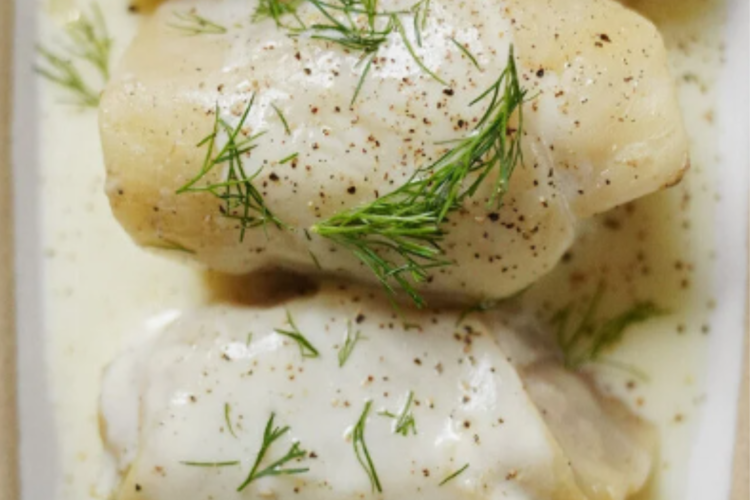
Lahanodolmades – Greek Stuffed Cabbage Rolls 🥬🍋
A comforting traditional dish from Greece
Lahanodolmades are one of the most beloved comfort foods in traditional Greek cuisine. These tender cabbage leaves are filled with a flavorful mixture of minced meat, rice, herbs, and spices, then gently simmered until perfectly soft. The dish is usually finished with a bright, creamy lemon sauce known as avgolemono, which adds a tangy and silky finish.
The name “lahanodolmades” comes from two words: “lachano” meaning cabbage and “dolmades” meaning stuffed. Similar stuffed vegetable dishes exist across the Mediterranean and Middle East, but the Greek version is distinctive because of its delicate lemon sauce and aromatic herbs.
Often served during family gatherings and festive meals, lahanodolmades represent the warmth and generosity of Greek home cooking. Although the process requires a little patience, the final result is incredibly rewarding: soft cabbage rolls filled with savory goodness and bathed in a bright citrus sauce.
Below is a detailed guide to making authentic Greek lahanodolmades at home.
Ingredients 🥬
For the cabbage rolls
- 1 large green cabbage
- 500 g (1 lb) ground beef or a mixture of beef and pork
- 1 cup uncooked short-grain rice
- 1 medium onion, finely chopped
- 2 cloves garlic, minced
- 1/4 cup fresh parsley, chopped
- 2 tablespoons fresh dill, chopped
- 3 tablespoons olive oil
- 1 teaspoon salt
- 1/2 teaspoon black pepper
- 1/2 teaspoon dried oregano
- 1 egg (optional, helps bind the filling)
For cooking
- 2 tablespoons olive oil
- 2 cups vegetable or chicken broth
- Juice of 1 lemon
For the avgolemono sauce
- 2 eggs
- Juice of 2 lemons
- 1/2 cup hot cooking broth from the pot
Preparing the Cabbage Leaves
The first step in making lahanodolmades is preparing the cabbage leaves so they become soft enough to roll.
Bring a large pot of salted water to a boil. Carefully remove the core from the cabbage using a knife. Place the entire cabbage head into the boiling water.
As the cabbage cooks, the outer leaves will begin to soften and loosen. After about 2–3 minutes, gently peel off the softened leaves with tongs. Continue boiling and removing leaves until you have about 16–20 leaves.
Place the softened leaves on a tray and allow them to cool. If the thick center rib is too tough, trim it slightly with a knife to make rolling easier.
Making the Filling
In a large mixing bowl combine:
- Ground meat
- Uncooked rice
- Chopped onion
- Garlic
- Parsley
- Dill
- Olive oil
- Salt and pepper
- Oregano
Mix everything thoroughly until well combined. If desired, add an egg to help bind the filling.
The mixture should be moist but not watery. The rice will absorb liquid while cooking and help hold the rolls together.
Assembling the Cabbage Rolls
Lay a cabbage leaf flat on your work surface with the stem end facing you.
Place 1–2 tablespoons of filling near the base of the leaf.
Fold the bottom of the leaf over the filling, then fold the sides inward, and roll tightly to create a small parcel.
Repeat this process until all the filling has been used.
Try to keep the rolls similar in size so they cook evenly.
Preparing the Cooking Pot
Traditional lahanodolmades are cooked in a large pot where the rolls are layered closely together.
Before adding the rolls, line the bottom of the pot with a few extra cabbage leaves. This prevents sticking and protects the rolls from direct heat.
Arrange the stuffed cabbage rolls seam-side down in tight layers.
Drizzle olive oil over the rolls and add the broth and lemon juice. The liquid should reach about halfway up the rolls.
Place an inverted plate on top of the cabbage rolls. This helps keep them from opening during cooking.
Cooking the Lahanodolmades
Cover the pot and bring the liquid to a gentle simmer over medium heat.
Reduce the heat to low and cook for 45–60 minutes.
During this time:
- The cabbage becomes very tender
- The rice cooks and absorbs the broth
- The flavors blend beautifully
Check occasionally to ensure there is enough liquid in the pot. If needed, add a small amount of hot broth.
When finished, the rolls should be soft and fragrant, and the filling fully cooked.
Making the Avgolemono Sauce 🍋
The classic Greek lemon-egg sauce adds richness and brightness to the dish.
In a bowl whisk the eggs until frothy. Slowly whisk in the lemon juice.
Next comes an important step called tempering.
Gradually add the hot cooking broth from the pot into the egg mixture while whisking continuously. This prevents the eggs from curdling.
Once warmed, pour the sauce gently back into the pot and shake the pot slightly to distribute it evenly.
Do not boil after adding the sauce—just warm gently.
The result is a silky, creamy sauce that perfectly complements the cabbage rolls.
Serving the Dish 🍽️
Lahanodolmades are best served warm with extra lemon on the side.
Common accompaniments include:
- Crusty bread
- Greek salad
- Yogurt or tzatziki
The cabbage rolls should be tender enough to cut easily with a fork, while the filling remains juicy and flavorful.
Tips for Perfect Lahanodolmades
Choose the Right Cabbage
Green cabbage works best because its leaves are large and flexible.
Roll Firmly but Gently
If the rolls are too loose they may fall apart during cooking.
Cook Slowly
Low heat ensures that the cabbage becomes soft without breaking.
Use Fresh Lemon
Fresh lemon juice gives the avgolemono sauce its signature brightness.
Variations of the Recipe
Different regions of Greece have their own versions of lahanodolmades.
Meatless version
Replace the meat with rice, mushrooms, herbs, and pine nuts.
Lamb filling
Some traditional recipes use ground lamb instead of beef.
Tomato-based sauce
In northern Greece, cabbage rolls may be cooked in a light tomato sauce instead of avgolemono.
Storage and Reheating
Lahanodolmades store very well and often taste even better the next day.
Refrigerator:
Store in an airtight container for up to 4 days.
Freezer:
They can be frozen (without the egg sauce) for up to 2 months.
Reheating:
Warm gently on the stove with a little broth or water.
Nutritional Benefits
This dish offers a balanced combination of nutrients.
Cabbage provides:
- Fiber
- Vitamin C
- Antioxidants
The meat supplies protein and iron, while rice provides energy and texture.
Thanks to the lemon sauce and herbs, the dish remains light despite being satisfying.
Final Thoughts
Lahanodolmades are a beautiful example of traditional Greek comfort food—simple ingredients transformed through care and patience. Tender cabbage leaves wrap around a savory filling, while the bright avgolemono sauce adds a signature Mediterranean flavor.
Although the process may seem elaborate at first, making these cabbage rolls can become a relaxing kitchen ritual. Once you taste the soft cabbage, aromatic filling, and silky lemon sauce together, you’ll understand why this dish has been loved in Greek homes for generations.
Gather your ingredients, take your time, and enjoy preparing one of the most classic recipes from Greece.