Authentic Matcha Green Tea – A Complete Guide to Preparation and Enjoyment
Matcha green tea, originating from Japan, is a finely ground powder made from specially grown and processed green tea leaves. Unlike regular green tea, where leaves are steeped in water, matcha involves consuming the whole leaf in powdered form, giving it a richer flavor, a vibrant green color, and a unique set of health benefits. It is revered not only for its taste but also for its calming yet energizing effect, thanks to a perfect combination of caffeine and L-theanine.
Historically, matcha was cultivated and refined by Zen Buddhist monks for use in traditional tea ceremonies in Kyoto during the 12th century. Today, it has become a global phenomenon, appearing in cafés, desserts, smoothies, and even savory dishes. This guide will provide an authentic preparation method, tips for choosing high-quality matcha, and ideas for incorporating it into your daily routine.
Ingredients (Serves 1–2)
- 1 teaspoon of high-quality ceremonial grade matcha powder
- 60–90 ml hot water (not boiling, around 75–80°C / 167–176°F)
- Optional: sweetener such as honey, agave syrup, or sugar
- Optional: milk or plant-based milk (for a matcha latte)
Optional tools:
- Bamboo whisk (Chasen bamboo whisk)
- Matcha bowl (Chawan matcha bowl)
- Small sifter
Step 1: Selecting the Right Matcha
The quality of your matcha is critical. There are two main types:
- Ceremonial Grade: Best for traditional tea preparation and drinking straight. Smooth, vibrant green, and delicate.
- Culinary Grade: Slightly more bitter and less vibrant, perfect for lattes, baking, or cooking.
Look for bright green, finely powdered matcha. Dull or yellowish powders indicate lower quality. Store matcha in an airtight container, away from heat, light, and moisture to preserve its flavor and color.
Step 2: Prepping Your Tools
For an authentic experience, use a small sifter to remove clumps from the matcha powder. Clumps can prevent smooth whisking. Place the sifted powder in your matcha bowl (chawan). A bamboo whisk (chasen) ensures a frothy, smooth texture, but if you don’t have one, a small milk frother or spoon can suffice for casual preparation.
Step 3: Heating the Water
Boiling water can burn matcha and create bitterness. Heat water to approximately 75–80°C (167–176°F). If you don’t have a thermometer, bring water to a boil and let it sit for 1–2 minutes before pouring over the powder.
Step 4: Whisking the Matcha
Pour 60–90 ml of hot water into the bowl with matcha. Using the bamboo whisk, whisk vigorously in a zigzag motion (not circular) until the powder is fully dissolved and a frothy layer forms on the surface. The foam should be uniform and creamy. Traditional technique involves holding the whisk lightly and moving your wrist quickly to create fine bubbles. This method enhances flavor and texture.
Step 5: Optional Sweeteners or Additions
While traditional matcha is enjoyed unsweetened to appreciate its natural flavor, you can add a teaspoon of honey, sugar, or agave syrup if you prefer a slightly sweet taste. For a matcha latte, heat and froth 150 ml of milk or plant-based milk and pour it over the whisked matcha. Stir gently to combine.
Step 6: Tasting and Savoring
Authentic matcha should taste smooth, slightly sweet, and vegetal, with a creamy texture and subtle umami notes. Avoid matcha that tastes overly bitter, which often indicates poor quality or water that was too hot. Take time to appreciate its aroma, the vibrant green color, and the ritual of preparation—this is part of the Zen experience.
Health Benefits of Matcha
Matcha is not just delicious—it offers a host of health benefits:
- Rich in Antioxidants: Contains catechins, particularly EGCG, which support cellular health and help combat oxidative stress.
- Boosts Energy and Focus: Provides caffeine without the jittery effect due to L-theanine, promoting calm alertness.
- Supports Metabolism: Studies suggest that matcha can enhance metabolism and aid in fat oxidation.
- Detoxifying: Chlorophyll in vibrant green matcha can help the body detox naturally.
- Calming Effect: The combination of caffeine and L-theanine improves mood and focus while reducing stress.
Regular consumption can be part of a healthy lifestyle, complementing exercise, mindfulness, and balanced nutrition.
Tips for the Best Matcha Experience
- Use Fresh Powder: Matcha oxidizes quickly, so consume it within a month after opening.
- Sift Before Whisking: This ensures a smooth, clump-free beverage.
- Control Water Temperature: Too hot water will make the tea bitter; too cold will reduce flavor extraction.
- Practice Whisking: The right zigzag technique creates a creamy foam and enhances taste.
- Experiment with Recipes: Matcha can be incorporated into smoothies, ice creams, baked goods, and even savory dishes like matcha salt for vegetables.
Matcha Latte Variation
Ingredients:
- 1 teaspoon matcha powder
- 60 ml hot water
- 150 ml milk (or plant-based alternative)
- Optional sweetener
Instructions:
- Whisk the matcha powder with hot water as described.
- Heat milk and froth until creamy.
- Pour milk over matcha, stirring gently.
- Sweeten if desired and enjoy a luxurious, velvety latte.
This version is ideal for those who enjoy a creamier drink or want a cozy, morning-friendly beverage.
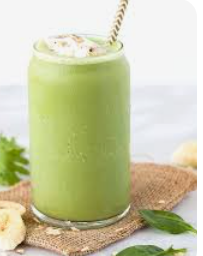
Matcha Smoothie Variation
Ingredients:
- 1 teaspoon matcha powder
- 1 banana
- ½ cup almond milk
- ½ cup Greek yogurt
- Optional: honey or vanilla
Instructions:
- Whisk matcha with a small amount of warm water until smooth.
- Blend with banana, milk, and yogurt until creamy.
- Add sweetener if desired and serve chilled.
This smoothie is energizing, nutrient-dense, and perfect for a morning boost or post-workout refreshment.
Storage Guidelines
Store matcha in an airtight container, preferably in a cool, dark place. Some prefer refrigeration for longer shelf life, but avoid moisture and repeated exposure to air. Always use a dry spoon to scoop powder, preventing clumping or mold formation.
Fun Facts About Matcha
- Matcha preparation was traditionally a spiritual practice linked to meditation.
- The word “matcha” literally means “powdered tea.”
- High-quality matcha should have a bright green color, fine texture, and sweet, vegetal taste.
- It contains about three times more antioxidants than conventional green tea leaves.
Serving Ideas
- Traditional: Hot, whisked, unsweetened in a chawan bowl.
- Iced Matcha: Pour whisked matcha over ice for a refreshing summer beverage.
- Desserts: Use in ice creams, cakes, and chocolates.
- Savory: Add to noodles, pasta, or tempura batter for a subtle, umami-rich flavor.
Conclusion
Authentic matcha green tea is more than just a drink—it’s an experience. The preparation ritual, vibrant color, smooth texture, and unique umami flavor make it a beverage worth savoring. Whether you enjoy it plain, in a latte, or in creative recipes, matcha is both healthy and indulgent. By choosing high-quality ceremonial grade powder and following proper preparation methods, you can enjoy a rich, calming, and energizing tea that has delighted generations in Japan and now around the world.
A single teaspoon of matcha can transform a moment into a mindful pause, offering both focus and relaxation. This timeless beverage embodies wellness, tradition, and flavor, making it a perfect addition to any tea lover’s repertoire.