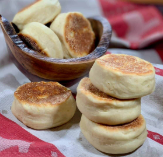
Sourdough Discard English Muffins – Easy, Tangy, Golden Perfection
There is something deeply comforting about homemade English muffins: their soft, chewy interior, the signature nooks and crannies, and that golden, slightly crisp exterior. When you make them with sourdough discard, they become even more special. Not only are you reducing waste, but you’re also infusing these classic breakfast breads with a subtle tang that elevates them far beyond anything store-bought.
These Sourdough Discard English Muffins are surprisingly easy to make, require no oven, and rely on simple pantry ingredients. Cooked gently on a skillet or griddle, they develop a beautifully golden crust while staying fluffy inside. Whether you enjoy them toasted with butter, slathered in jam, topped with eggs Benedict, or turned into the ultimate breakfast sandwich, these muffins are pure golden perfection.
Why Use Sourdough Discard?
Sourdough discard is the portion of starter removed during feedings. While it’s often thrown away, discard still contains flour, water, wild yeast, and lactic acid bacteria. In this recipe, it adds:
- A gentle, pleasant tang
- Extra depth of flavor
- Improved texture
- A sustainable way to use every part of your starter
Even if your discard is unfed or a few days old (kept refrigerated), it works beautifully here.
Ingredients (Makes 8–10 English Muffins)
Wet Ingredients
- 1 cup (240 g) sourdough discard (unfed is fine)
- ¾ cup (180 ml) milk, lukewarm
- 1 tablespoon honey or sugar
- 2 tablespoons melted butter or neutral oil
Dry Ingredients
- 2½ to 3 cups (300–360 g) all-purpose flour
- 1 teaspoon salt
- 1 teaspoon baking soda
For Cooking
- Cornmeal or semolina, for dusting
- Butter or oil for the skillet
Equipment Needed
- Large mixing bowl
- Wooden spoon or spatula
- Clean work surface
- Rolling pin (optional)
- Round cutter or glass (about 8–9 cm)
- Heavy skillet or griddle
- Spatula
- Clean kitchen towel
Step-by-Step Instructions
1. Mix the Wet Ingredients
In a large mixing bowl, combine the sourdough discard, lukewarm milk, honey (or sugar), and melted butter. Stir until smooth and well blended. The mixture should look creamy and slightly thick.
This base is where the flavor starts. The discard brings tang, while the honey adds a gentle sweetness that balances the acidity.
2. Add the Dry Ingredients
Add 2½ cups of flour, salt, and baking soda to the bowl. Stir until a shaggy dough forms. If the dough feels very sticky, add more flour a tablespoon at a time until it becomes soft and manageable but still slightly tacky.
Avoid adding too much flour—softer dough leads to fluffier muffins.
3. Knead Gently
Turn the dough out onto a lightly floured surface. Knead gently for about 2–3 minutes, just until smooth. This is not a heavy knead like bread dough; English muffins need only light gluten development.
Shape the dough into a ball, cover with a towel, and let it rest for 15–20 minutes. This rest relaxes the gluten and makes rolling easier.
4. Roll and Cut
Lightly dust your surface with cornmeal or flour. Roll the dough to about 1.5–2 cm (½–¾ inch) thickness. Using a round cutter or glass, cut out muffins and place them on a tray sprinkled with cornmeal.
Gather scraps, gently re-roll, and cut more rounds.
Dust the tops lightly with cornmeal as well. This gives that classic English muffin look and prevents sticking.
5. Rest Before Cooking
Cover the muffins with a clean towel and let them rest for 30–45 minutes at room temperature. They won’t double in size, but they will puff slightly. This short rest helps create a lighter texture.
6. Cook Low and Slow
Heat a heavy skillet or griddle over low to medium-low heat. Lightly grease with butter or oil.
Place the muffins onto the skillet, leaving space between them. Cook slowly for 6–8 minutes per side, flipping gently once the bottoms are golden brown.
The key here is patience. Cooking too fast will brown the outside before the inside cooks through.
If needed, lower the heat and cover the pan loosely for a minute or two to help the centers cook.
7. Cool and Split
Transfer the cooked muffins to a wire rack and let them cool for at least 10 minutes. To preserve the nooks and crannies, split them open with a fork rather than a knife.
Serving Ideas
These sourdough discard English muffins are incredibly versatile:
- Toasted with butter and honey
- Topped with jam or marmalade
- Used for eggs Benedict
- Filled with bacon, egg, and cheese
- Spread with peanut butter or cream cheese
- Served alongside soups or salads
They toast beautifully and become crisp on the outside while staying soft inside.
Storage and Freezing
- Room Temperature: Store in an airtight container for up to 2 days
- Refrigerator: Up to 5 days
- Freezer: Split first, then freeze for up to 2 months
Toast straight from frozen for a quick, homemade breakfast.
Tips for Perfect English Muffins
- Use low heat—this is the secret to even cooking
- Don’t skip the resting steps
- Fork-splitting creates the best texture
- Older sourdough discard = more tangy flavor
- Cornmeal adds authenticity but is optional
Final Thoughts
Making Sourdough Discard English Muffins is one of the most satisfying ways to use your leftover starter. They’re simple, economical, and deeply rewarding, with a flavor that feels both rustic and refined. Once you try them homemade, it’s hard to go back to store-bought versions.