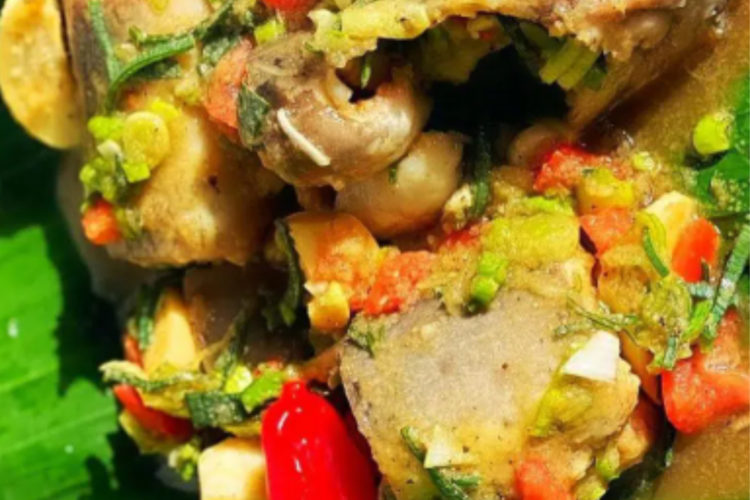
Liboké: A Fragrant Central African Steamed Fish Delight
Liboké is one of the most beloved dishes from the heart of Central Africa, especially popular in the Democratic Republic of the Congo and the Republic of the Congo. The word “Liboké” refers to a cooking method in which fish, meat, or vegetables are wrapped in banana leaves and slowly steamed or grilled over gentle heat. This traditional preparation creates an incredibly aromatic meal filled with rich spices, fresh herbs, and tender textures.
Liboké is more than just a recipe; it is a cultural experience. Families often prepare it for gatherings, celebrations, and weekend meals because the cooking process itself encourages sharing and togetherness. The banana leaves trap moisture and flavor, creating a natural steaming environment that keeps the fish juicy while infusing it with herbs, garlic, onions, and peppers.
This version uses fish, which is the most classic preparation, but the same technique can also be adapted with chicken or vegetables. The result is a healthy, comforting, and deeply flavorful dish that pairs beautifully with rice, cassava, plantains, or fufu.
Ingredients
For the Fish
- 4 whole fish fillets (tilapia, snapper, or sea bass work wonderfully)
- Juice of 2 lemons
- 1 teaspoon salt
- 1 teaspoon black pepper
- 1 teaspoon paprika
- 1 teaspoon cayenne pepper (optional for heat)
For the Sauce
- 2 large onions, finely sliced
- 4 garlic cloves, minced
- 2 tomatoes, diced
- 1 red bell pepper, sliced
- 1 green bell pepper, sliced
- 2 fresh chili peppers, chopped
- 3 tablespoons tomato paste
- 2 tablespoons vegetable oil
- 1 teaspoon thyme
- 1 teaspoon parsley
- 1 bouillon cube
- 1 tablespoon mustard
- 1 teaspoon ginger, grated
For Wrapping
- 4 large banana leaves
- Kitchen string or toothpicks
For Serving
- White rice
- Fried plantains
- Cassava
- Fufu
Preparing the Banana Leaves
Banana leaves are an essential part of authentic Liboké. They provide a subtle earthy aroma while locking in moisture during cooking.
Wash the banana leaves thoroughly under warm water to remove any dirt. Pat them dry with a clean towel. To make them flexible and easier to fold, briefly pass the leaves over an open flame or dip them in hot water for a few seconds. This softens the fibers and prevents tearing.
If banana leaves are difficult to find, parchment paper followed by aluminum foil can work as an alternative, although the flavor will not be exactly the same.
Marinating the Fish
Rinse the fish fillets and pat them dry carefully. Place them in a large bowl and drizzle with lemon juice. Add salt, pepper, paprika, and cayenne pepper.
Massage the seasoning gently into the fish and let it marinate for at least 30 minutes. If possible, refrigerate it for one hour to deepen the flavor.
The lemon juice not only adds brightness but also helps tenderize the fish while balancing the richness of the sauce.
Preparing the Aromatic Sauce
Heat vegetable oil in a large skillet over medium heat. Add the sliced onions and cook slowly until they become soft and translucent. Stir in the garlic and ginger and cook for another minute until fragrant.
Add the tomatoes, bell peppers, and chili peppers. Cook for about 5 minutes until the vegetables begin to soften and release their juices.
Next, stir in the tomato paste, mustard, thyme, parsley, and crumbled bouillon cube. Mix thoroughly to create a rich and fragrant sauce. Allow everything to simmer gently for another 5 to 7 minutes.
The sauce should be thick but still moist because it will continue cooking inside the banana leaves.
Assembling the Liboké
Lay one banana leaf flat on your work surface. If the leaf is small, overlap two leaves to avoid leaks.
Place a spoonful of the vegetable sauce in the center. Lay a fish fillet on top, then cover with more sauce. The fish should be generously coated to ensure it remains juicy during cooking.
Fold the banana leaf carefully over the fish to form a secure parcel. Tie it with kitchen string or secure it with toothpicks.
Repeat with the remaining fish fillets.
The parcels should be tightly sealed to trap steam and preserve all the wonderful aromas inside.
Cooking Methods
Traditional Charcoal Method
Traditionally, Liboké is cooked over hot charcoal. The parcels are placed directly on a grill above medium heat and cooked slowly for about 25 to 35 minutes.
The banana leaves lightly char on the outside while the inside remains moist and flavorful. This method gives the dish a slightly smoky aroma that is absolutely delicious.
Oven Method
Preheat the oven to 375°F (190°C).
Place the wrapped parcels on a baking tray and bake for 30 to 35 minutes.
This method is convenient and still produces excellent results with tender, flaky fish.
Steaming Method
You can also steam the parcels in a large steamer pot for approximately 30 minutes.
Steaming creates an especially delicate and moist texture while preserving all the nutrients and flavors.
Serving Suggestions
Liboké is best served immediately while still hot and fragrant.
Carefully open the banana leaf parcel at the table to release the delicious steam and aroma. The presentation is part of the experience and always impresses guests.
Serve with:
- Steamed white rice
- Fried ripe plantains
- Cassava root
- Fufu
- Sweet potatoes
- African pepper sauce
The flavorful juices from the fish blend beautifully with starchy side dishes.
Tips for the Best Liboké
Use Fresh Fish
Fresh fish makes a tremendous difference in flavor and texture. Tilapia is traditional and widely used, but snapper, mackerel, or catfish are also excellent options.
Don’t Overcook
Fish cooks quickly, especially inside sealed banana leaves. Overcooking can make it dry, so check carefully near the end of cooking time.
Add More Vegetables
Some cooks include okra, spinach, or mushrooms for extra texture and nutrition.
Spice Level
Adjust the chili peppers according to your taste. Authentic Liboké often has a pleasant spicy kick, but it should not overpower the fish.
Double Wrap
If your banana leaves are thin, use two layers to prevent tearing during cooking.
A Dish Rich in Culture
Liboké reflects the resourcefulness and culinary creativity of Central African cuisine. Cooking food in leaves has been practiced for generations because it preserves moisture naturally while enhancing flavor without needing heavy sauces or fats.
In many Congolese homes, Liboké is associated with warmth, hospitality, and celebration. It is often enjoyed during family gatherings where everyone shares food from large platters and eats together.
The aroma of steaming banana leaves instantly evokes memories of home for many people from the region.
Variations of Liboké
There are many delicious versions of Liboké throughout Central Africa.
Chicken Liboké
Chicken pieces are marinated and cooked in the same aromatic sauce. The cooking time is slightly longer to ensure the chicken becomes tender.
Shrimp Liboké
Shrimp cooks quickly and absorbs the flavors beautifully. Coconut milk is sometimes added for richness.
Vegetarian Liboké
Eggplant, mushrooms, sweet potatoes, and spinach create a hearty vegetarian alternative.
Peanut Liboké
Some recipes include peanut butter or ground peanuts for a richer and creamier sauce.
Final Thoughts
Liboké is a dish that celebrates simplicity, freshness, and tradition. The combination of tender fish, vibrant vegetables, aromatic spices, and fragrant banana leaves creates an unforgettable meal that feels both rustic and elegant.
Whether cooked over charcoal outdoors or baked comfortably in your kitchen, Liboké brings the comforting flavors of Central Africa to the table. It is healthy, satisfying, and full of character.
Once you open that steaming banana leaf parcel and taste the delicate fish infused with herbs and spices, you will understand why Liboké remains such a treasured dish across generations.