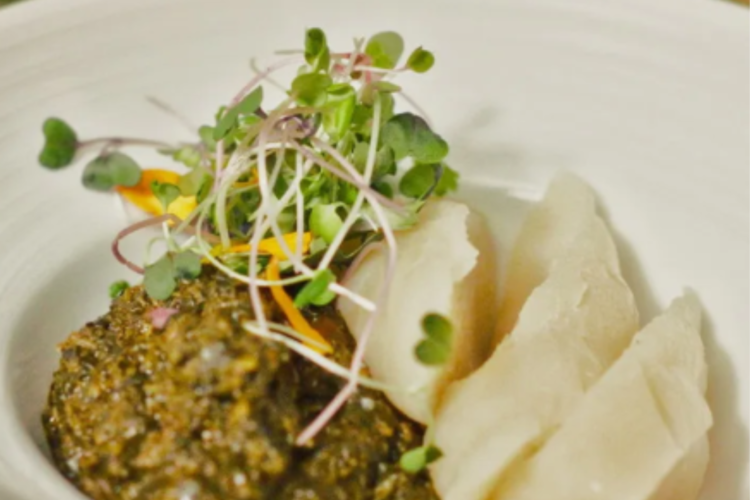
Pondu: A Traditional Central African Cassava Leaf Stew
Pondu is one of the most iconic and comforting dishes from Central Africa, especially loved in the Democratic Republic of the Congo, the Republic of the Congo, and parts of Angola. Known by different names such as saka-saka or cassava leaf stew, Pondu is a deeply flavorful dish made primarily from cassava leaves simmered with vegetables, spices, and often fish or meat.
Rich, earthy, and incredibly nourishing, Pondu is a staple meal in many households. It is commonly served with rice, fufu, plantains, or cassava. The slow cooking process transforms the cassava leaves into a silky and aromatic stew with layers of savory flavor.
Pondu is more than just food. It represents family gatherings, hospitality, and tradition. The preparation varies from one region to another, with some versions including peanut butter, smoked fish, palm oil, or hot peppers for additional richness and complexity.
This authentic recipe combines cassava leaves with smoked fish and peanut butter to create a hearty and satisfying meal perfect for sharing.
Ingredients
Main Ingredients
- 500 g cassava leaves (fresh or frozen)
- 2 smoked fish pieces or smoked mackerel
- 200 g beef or goat meat, cut into cubes
- 1 onion, finely chopped
- 4 garlic cloves, minced
- 2 tomatoes, chopped
- 2 tablespoons peanut butter
- 1 cup spinach (optional)
- 1 chili pepper, chopped
- 1 bouillon cube
- 3 tablespoons red palm oil
- 2 tablespoons vegetable oil
- Salt to taste
- Black pepper to taste
- 4 cups water
Optional Ingredients
- Eggplant
- Okra
- Dried shrimp
- Crayfish powder
- Green onions
To Serve
- Fufu
- White rice
- Boiled plantains
- Cassava
- Sweet potatoes
Understanding Cassava Leaves
Cassava leaves are the heart of Pondu. They have a unique earthy flavor and become tender after slow cooking. Fresh cassava leaves are traditionally pounded using a mortar and pestle until smooth, but frozen pre-ground cassava leaves are commonly used today for convenience.
Cassava leaves must always be cooked thoroughly because raw cassava contains natural compounds that need proper cooking to become safe and delicious.
The leaves absorb spices beautifully and develop a rich texture that makes Pondu deeply satisfying.
Preparing the Meat and Fish
Start by washing the beef or goat meat thoroughly. Place the meat in a pot with a little water, salt, black pepper, and half of the chopped onion.
Cook over medium heat for about 30 minutes until tender. Add more water if necessary.
While the meat cooks, rinse the smoked fish gently to remove excess salt and impurities. Remove any bones if needed and set aside.
Smoked fish adds incredible depth and authentic flavor to Pondu. The smoky aroma blends perfectly with the earthy cassava leaves.
Cooking the Cassava Leaves
If using frozen cassava leaves, thaw them completely before cooking. If using fresh leaves, pound or blend them until smooth.
Bring a large pot of water to a boil. Add the cassava leaves and cook for about 20 minutes. Drain excess water if needed.
This step helps soften the leaves and remove bitterness.
In many traditional kitchens, cassava leaves are cooked slowly for long periods to achieve the ideal texture and flavor.
Building the Flavor Base
Heat the palm oil and vegetable oil together in a large cooking pot over medium heat.
Add the remaining onions and sauté until soft and fragrant. Stir in the garlic and chili pepper and cook for another minute.
Add the chopped tomatoes and cook until they break down into a rich sauce.
Palm oil is essential in many authentic Pondu recipes because it adds a distinctive color, aroma, and richness. Its slightly nutty flavor complements the cassava leaves beautifully.
Combining the Ingredients
Add the cooked cassava leaves into the tomato mixture and stir thoroughly.
Next, add the cooked meat along with its broth. Stir in the smoked fish and crumble the bouillon cube into the pot.
Add water gradually while stirring to create a thick stew consistency.
Reduce the heat to low and allow everything to simmer gently for about 45 minutes. Stir occasionally to prevent sticking.
The long simmering process allows all the flavors to blend together into a rich and comforting stew.
Adding Peanut Butter
In a small bowl, mix the peanut butter with a little warm water until smooth.
Pour the peanut mixture into the pot and stir well.
The peanut butter gives Pondu a creamy texture and slightly nutty flavor that balances the earthiness of the cassava leaves and the smokiness of the fish.
Continue simmering for another 15 to 20 minutes.
If using spinach, add it during the final 10 minutes of cooking for extra color and nutrition.
Adjusting the Texture
Pondu should have a thick, rich consistency. If the stew becomes too thick, add a little water. If it is too thin, continue simmering uncovered until it reduces.
Taste and adjust seasoning with salt and pepper as needed.
The finished stew should be deeply savory, slightly smoky, and wonderfully aromatic.
Serving Pondu
Pondu is best served hot and fresh.
Traditionally, it is paired with:
- Fufu
- White rice
- Boiled cassava
- Fried or boiled plantains
- Sweet potatoes
The rich sauce coats the starch beautifully, creating a balanced and satisfying meal.
Many families enjoy eating Pondu communally from a shared platter, making it a warm and social dining experience.
Tips for the Best Pondu
Cook Slowly
Slow cooking is essential for developing flavor and softening the cassava leaves properly.
Use Palm Oil
Authentic red palm oil gives Pondu its characteristic richness and vibrant color.
Smoked Fish Matters
Good smoked fish adds depth and umami that transforms the entire dish.
Stir Often
Cassava leaves can stick to the bottom of the pot during long cooking. Stir gently every few minutes.
Adjust Spice Carefully
Pondu can be mildly spicy or quite hot depending on personal preference.
Nutritional Benefits
Pondu is not only delicious but also highly nutritious.
Cassava leaves are rich in:
- Iron
- Protein
- Calcium
- Vitamins A and C
- Fiber
The addition of fish and meat provides protein, while peanut butter contributes healthy fats and richness.
This combination makes Pondu a filling and energy-rich meal enjoyed across generations.
Cultural Importance of Pondu
Pondu occupies a special place in Central African cuisine and culture. It is often prepared for weddings, celebrations, family reunions, and Sunday meals.
The aroma of cassava leaves simmering with palm oil and smoked fish is familiar and comforting in many homes across the Congo region.
Recipes are often passed down from mothers and grandmothers, with each family adding its own personal touch.
In some villages, preparing Pondu is a communal activity where family members gather to pound cassava leaves, prepare fish, and share stories while cooking.
Delicious Variations
Vegetarian Pondu
Replace meat and fish with mushrooms, eggplant, and beans for a plant-based version.
Pondu with Shrimp
Dried or fresh shrimp add a delicious seafood flavor.
Spicy Pondu
Add extra chili peppers or hot sauce for more heat.
Coconut Pondu
Some cooks add coconut milk for a creamier and slightly sweeter stew.
Common Mistakes to Avoid
Undercooking the Leaves
Cassava leaves need enough cooking time to become tender and safe to eat.
Using Too Much Water
Pondu should be thick and rich, not watery.
Skipping the Palm Oil
Palm oil provides authentic flavor and texture.
Over-Salting
Smoked fish and bouillon cubes already contain salt, so season carefully.
Final Thoughts
Pondu is a dish filled with history, warmth, and bold flavor. Its earthy cassava leaves, smoky fish, creamy peanut butter, and fragrant palm oil create a comforting stew that nourishes both body and soul.
Whether enjoyed with rice, fufu, or plantains, Pondu brings people together around the table and celebrates the rich culinary traditions of Central Africa.
Once you taste this hearty and aromatic stew, you will understand why Pondu remains one of the most treasured dishes in Congolese cuisine.